In today’s world, screens are everywhere. From tablets and televisions to smartphones and smartwatches, children are growing up surrounded by digital devices that compete for their attention every day.
While technology has many benefits, it has also made one challenge increasingly common for parents:
How do we help children fall in love with reading?
The good news is that raising a reader isn’t about forcing children to finish books or limiting every minute of screen time. It’s about creating an environment where reading becomes enjoyable, meaningful, and part of everyday life.
Reading Begins Long Before Children Can Read
One of the biggest misconceptions about reading is that it starts when children recognise letters or begin sounding out words.
In reality, literacy begins much earlier.
When young children listen to stories, talk about pictures, ask questions, and hear rich language every day, they are building the foundations for future reading success.
Research from the American Academy of Pediatrics highlights that reading aloud from infancy supports language development, strengthens parent-child relationships, and contributes to healthy brain development.
The goal isn’t simply to teach children to read. It’s to help them enjoy reading.
Make Reading Part of Everyday Life
Children are more likely to read when books feel like a natural part of home life rather than another task to complete. Simple habits can make a lasting difference: read together before bedtime, keep books within easy reach, visit libraries and bookshops together, let children see adults reading, and carry a book when travelling or waiting for appointments.
These small routines send a powerful message: reading matters here.
Let Children Choose Their Books
Adults often focus on what children should read. Children are more interested in what they want to read.
Whether it’s dinosaurs, vehicles, fairy tales, space, animals, or cookbooks, allowing children to choose books based on their interests increases motivation and enjoyment.
Choice helps children develop ownership over their reading journey. And children who enjoy reading are far more likely to become lifelong readers.
Talk About Stories
Reading doesn’t end when the last page is turned. Some of the richest learning happens through conversation.
Ask questions like: Which character did you like most? What do you think will happen next? Why do you think they made that decision? What would you have done differently?
These conversations strengthen comprehension, vocabulary, empathy, and critical thinking while helping children see books as opportunities for discussion rather than simply words on a page.
Screens Don’t Have to Be the Enemy
Many parents feel guilty about screen time. The reality is that technology is part of modern childhood.
The goal isn’t to eliminate screens altogether but to create a healthy balance.
The American Academy of Pediatrics encourages families to develop intentional media habits that leave plenty of time for sleep, physical activity, play, conversation, and reading.
Children are far more likely to choose books when reading is presented as an enjoyable experience rather than a punishment for using screens.
Celebrate Progress, Not Perfection
Not every child becomes an enthusiastic reader overnight. Some children love listening before reading independently. Others revisit the same book dozens of times. Some prefer information books to stories.
All of these are part of developing a healthy reading identity.
Celebrate curiosity, questions, and consistency more than the number of books completed.
A lifelong reader isn’t built in a week. They’re built through hundreds of small, positive experiences with books.
The Aster Perspective
At Aster, we believe reading opens doors to imagination, knowledge, creativity, and lifelong learning.
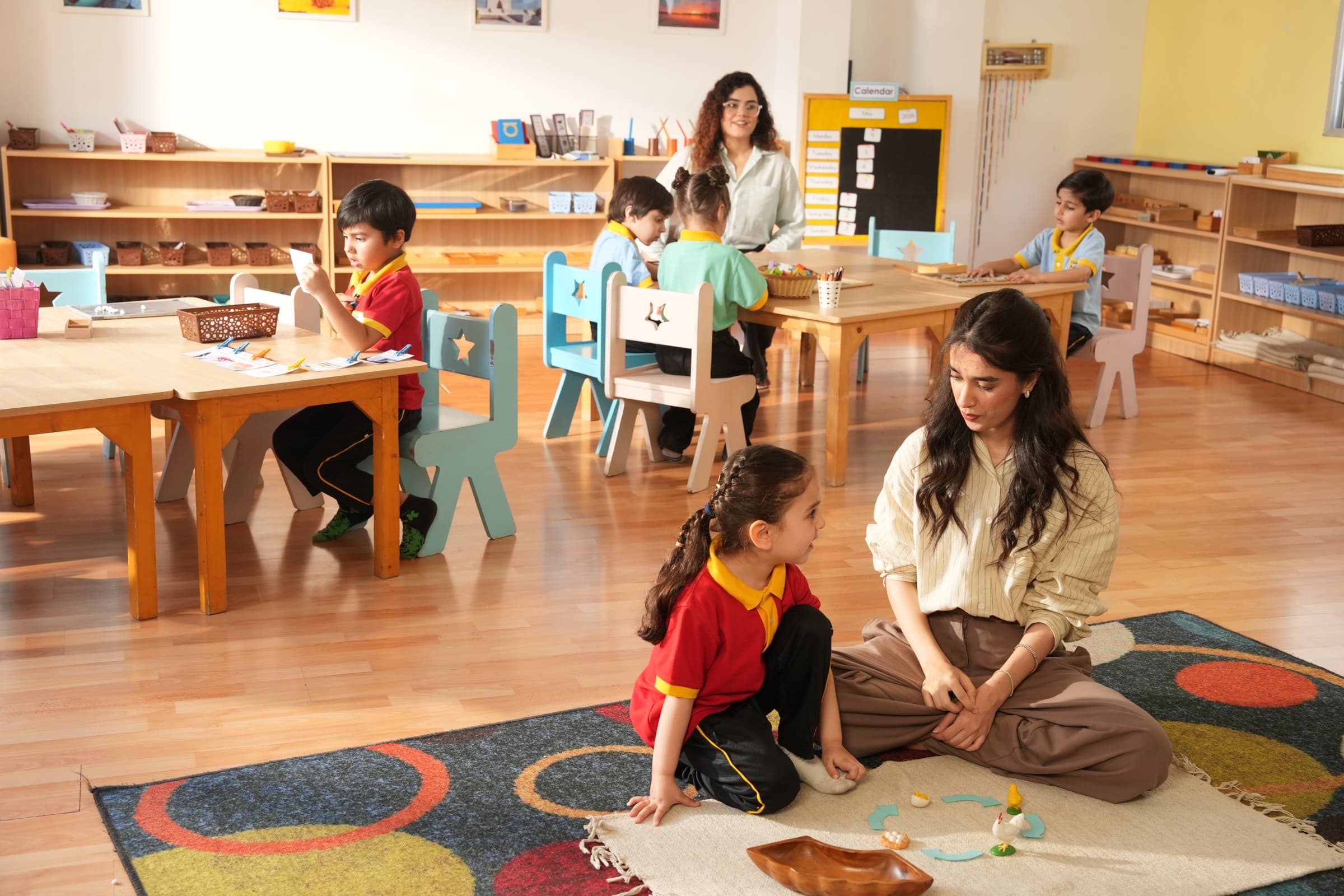
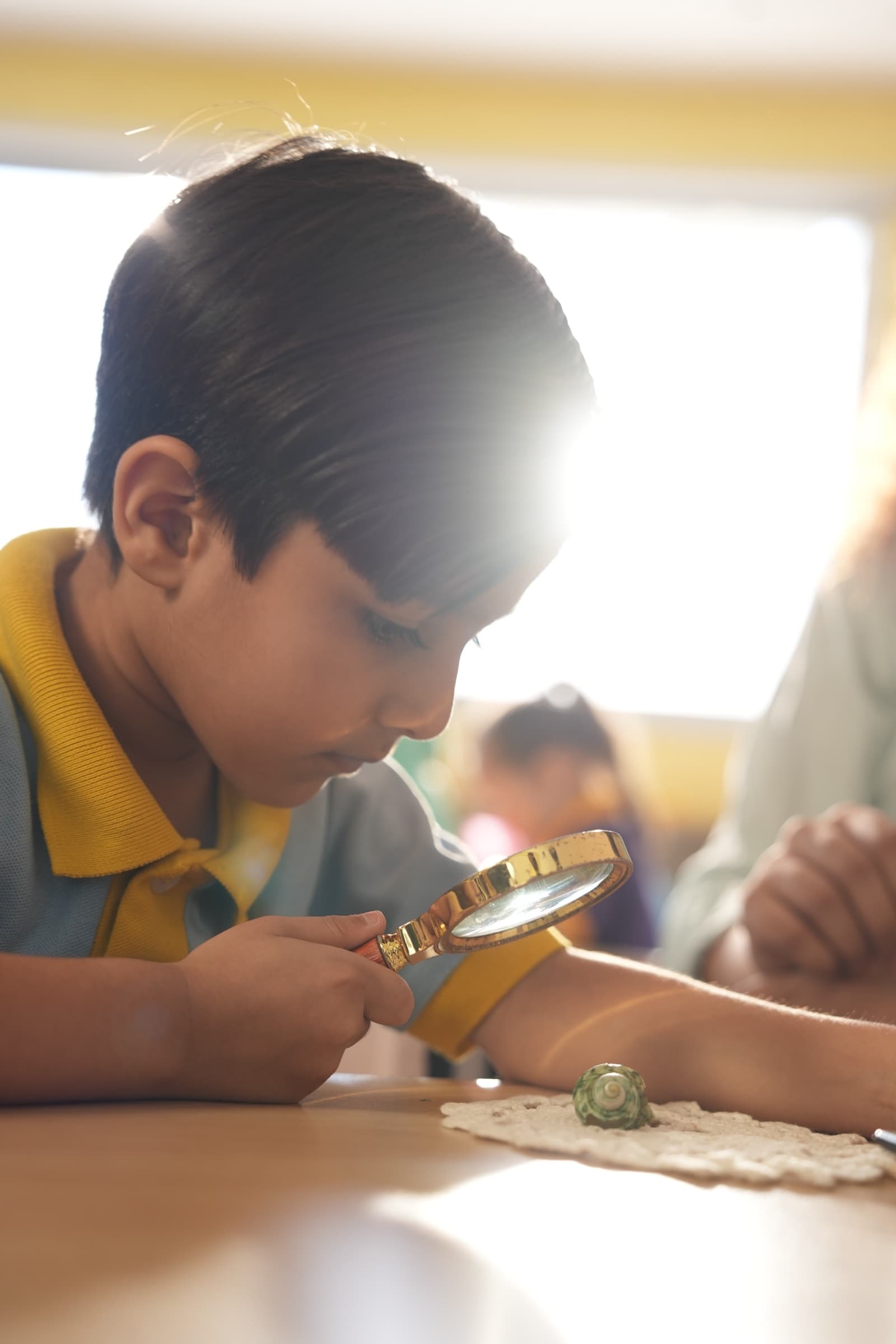
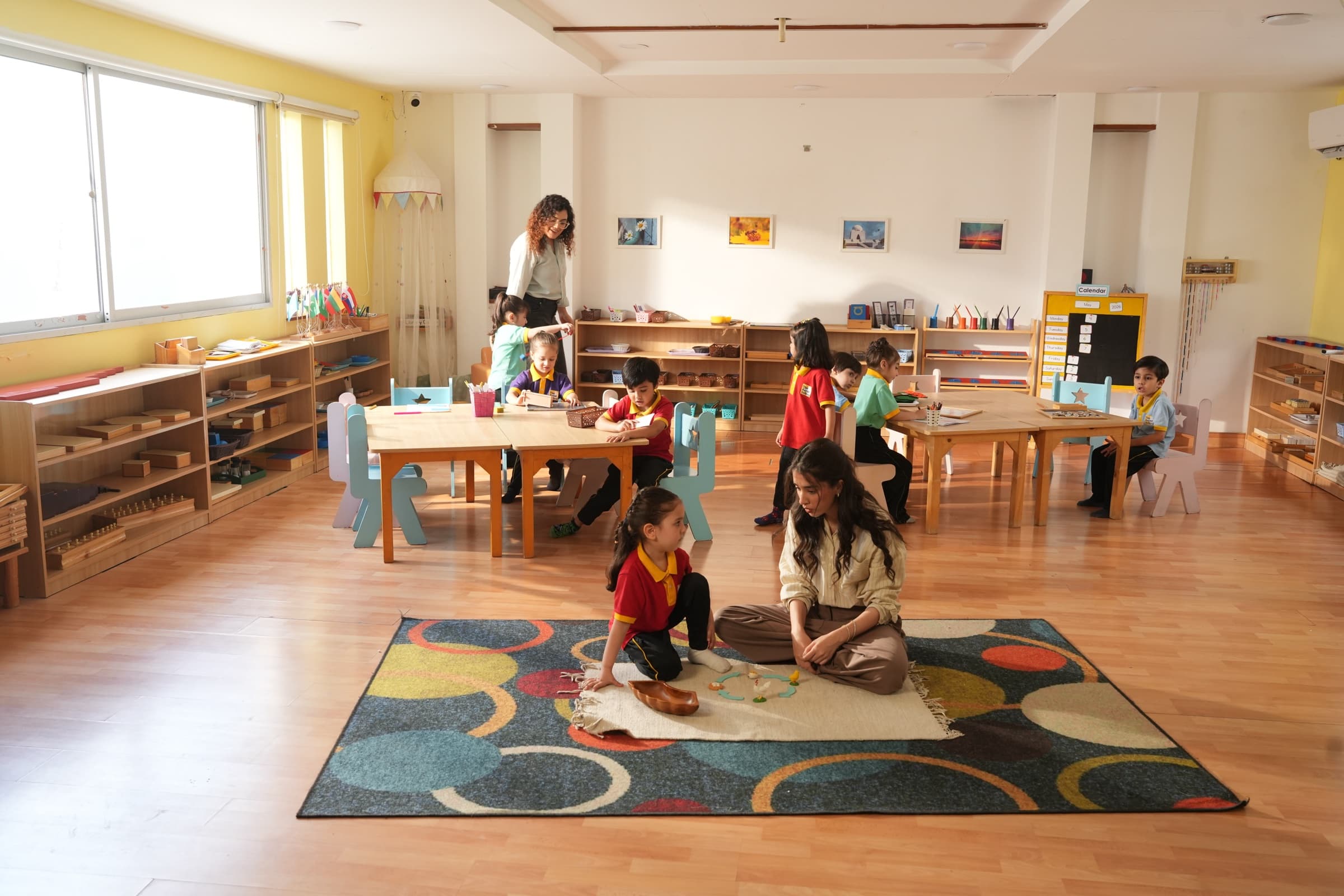
Inspired by Montessori- and Reggio Emilia-informed practices, we create literacy-rich environments where stories are explored through conversation, creativity, inquiry, and meaningful experiences. Children are encouraged to choose books, ask questions, express ideas, and develop a genuine love for reading at their own pace.
Our goal is not simply to teach children how to read, but to nurture children who choose to read because they find joy, wonder, and possibility within every story.
Conclusion
In a screen-filled world, books continue to offer something technology cannot replace: the opportunity to imagine, reflect, question, and connect.
By making reading part of everyday family life, following children’s interests, and celebrating the journey rather than the outcome, parents can help nurture a love for books that lasts far beyond childhood.
Because when children love reading, they don’t just become better readers. They become curious learners for life.
References
- American Academy of Pediatrics. Literacy Promotion: An Essential Component of Primary Care Pediatric Practice.
- OECD. PISA Results: Students Who Read for Enjoyment Perform Better.
- National Literacy Trust. Children and Young People’s Reading Engagement Reports.
- Harvard Center on the Developing Child. Brain Architecture and Early Experiences.