For many adults, play and learning seem like two different things. Learning happens at a desk. Play happens during break time.
But for young children, the opposite is often true.
The most meaningful learning doesn’t always happen when children are being taught. It happens when they are building a tower, pretending to run a café, painting a picture, exploring nature, or working together to solve a problem.
Play isn’t simply entertainment. It is one of the most powerful ways children make sense of the world.
More Than Just Fun
Watch a child carefully during play.
They’re making decisions, testing ideas, asking questions, negotiating with friends, solving problems, and expressing emotions. What may look like a simple game is actually a complex learning experience.
Research from Harvard University’s Center on the Developing Child shows that playful experiences strengthen brain architecture by building the neural connections that support learning, memory, self-regulation, and problem-solving throughout life.
Play fuels development.
Every Kind of Play Teaches Something Different
Children don’t learn one skill at a time. They learn many at once.
When children build with blocks, they explore balance, patterns, measurement, and early engineering concepts.
When they engage in imaginative play, they practise communication, empathy, creativity, and emotional understanding.
Outdoor play develops coordination, resilience, confidence, and risk assessment.
Art and creative play encourage experimentation, self-expression, and flexible thinking.
Every experience becomes an opportunity to learn because children are actively involved rather than simply receiving information.
Why Hands-On Learning Lasts Longer
Children remember experiences far better than instructions.
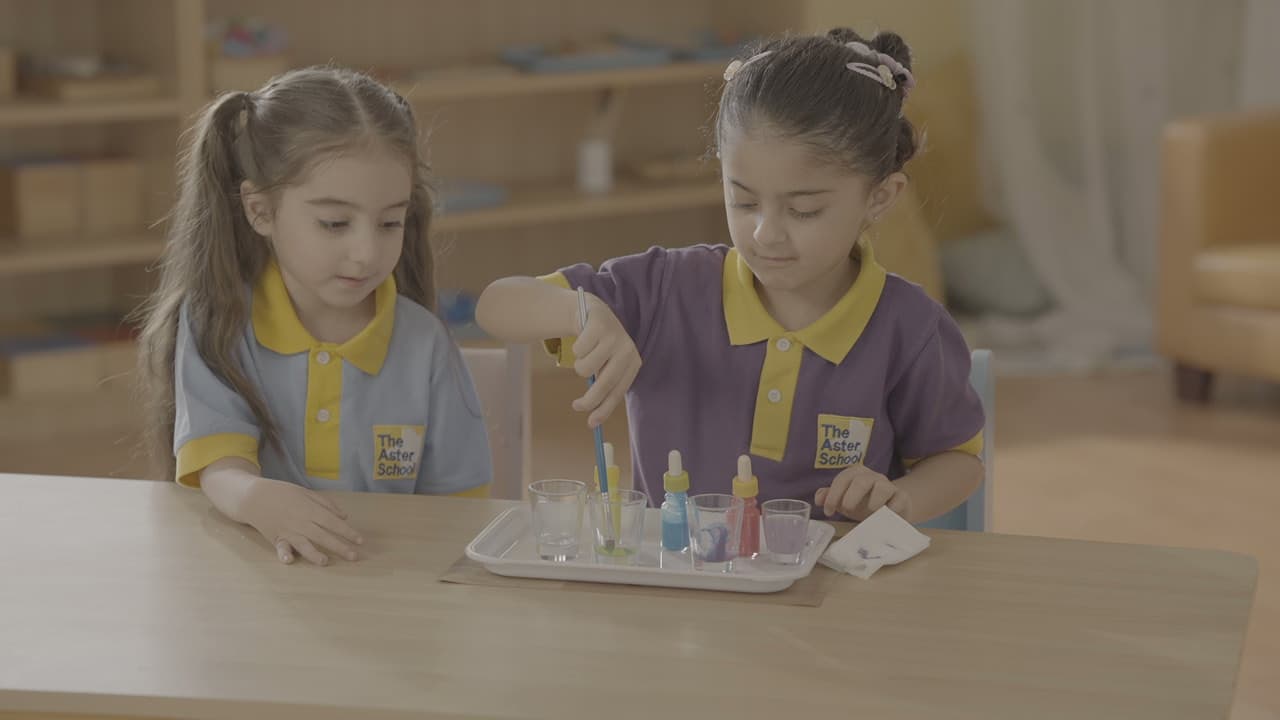
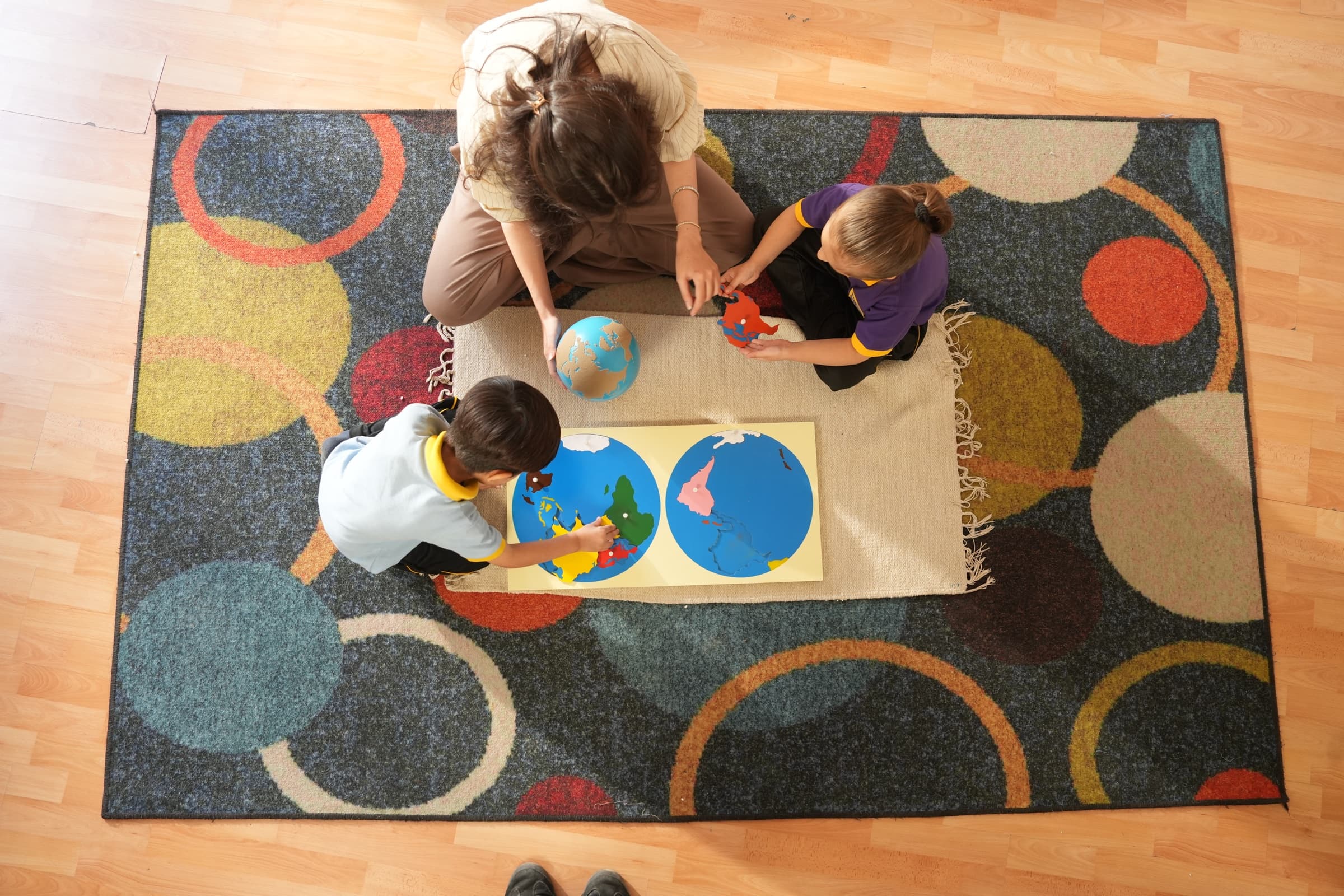
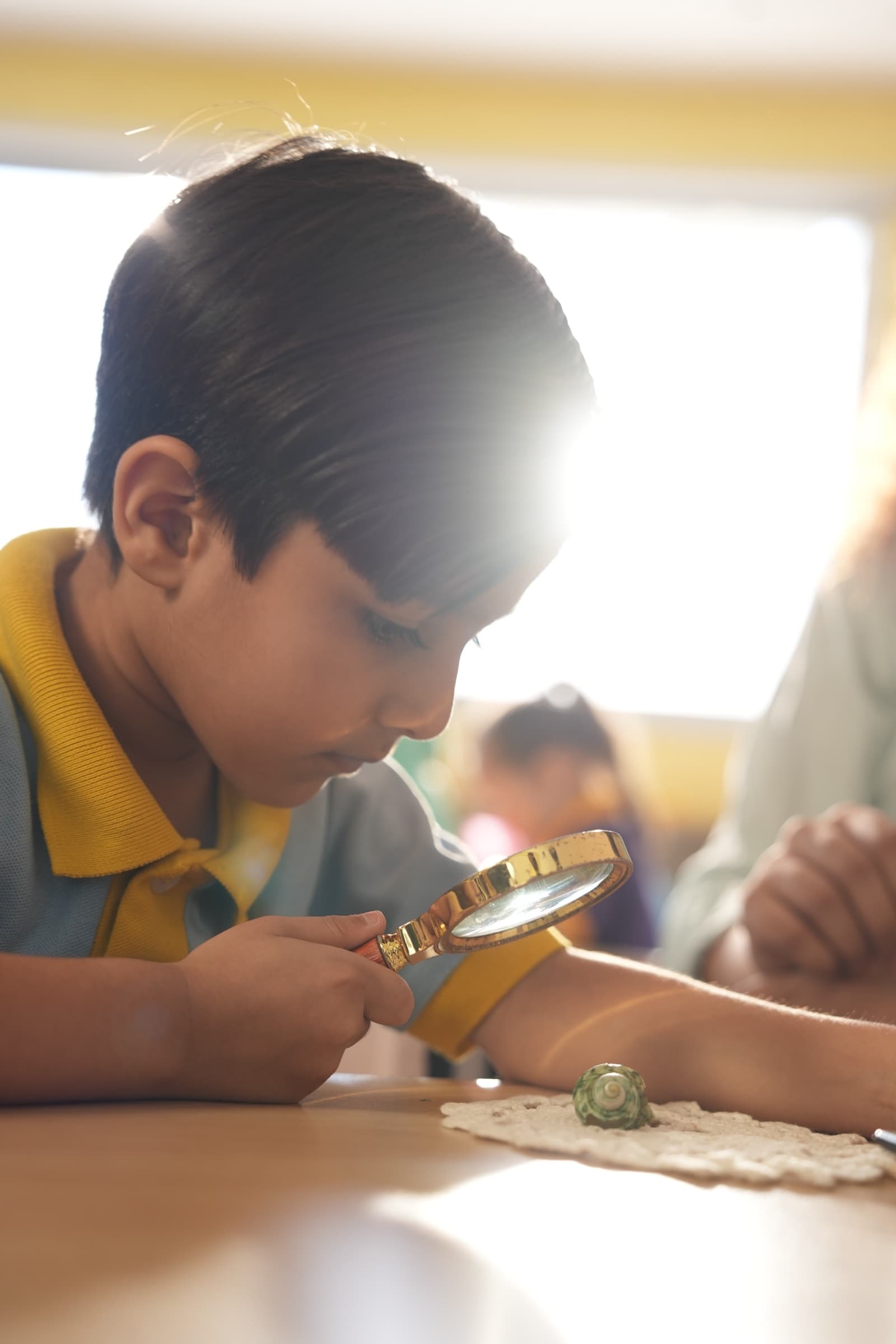
When they touch, build, investigate, and explore, learning becomes meaningful because they have discovered it for themselves.
Educational psychologist David Kolb’s theory of experiential learning suggests that knowledge is created through experience, reflection, and active engagement. Rather than memorising facts, children develop a deeper understanding when they can connect learning to real experiences.
This is why hands-on learning often leads to stronger understanding than passive instruction alone.
Play Builds Skills for the Future
The world children are growing up in will reward creativity, collaboration, adaptability, and critical thinking.
Interestingly, these are the very skills children practise naturally during play.
Whether they’re creating imaginary worlds, solving disagreements with friends, building something new, or figuring out how to make an idea work, they are developing habits of thinking that will benefit them throughout school and beyond.
Play doesn’t distract children from future success. It helps prepare them for it.
The Aster Perspective
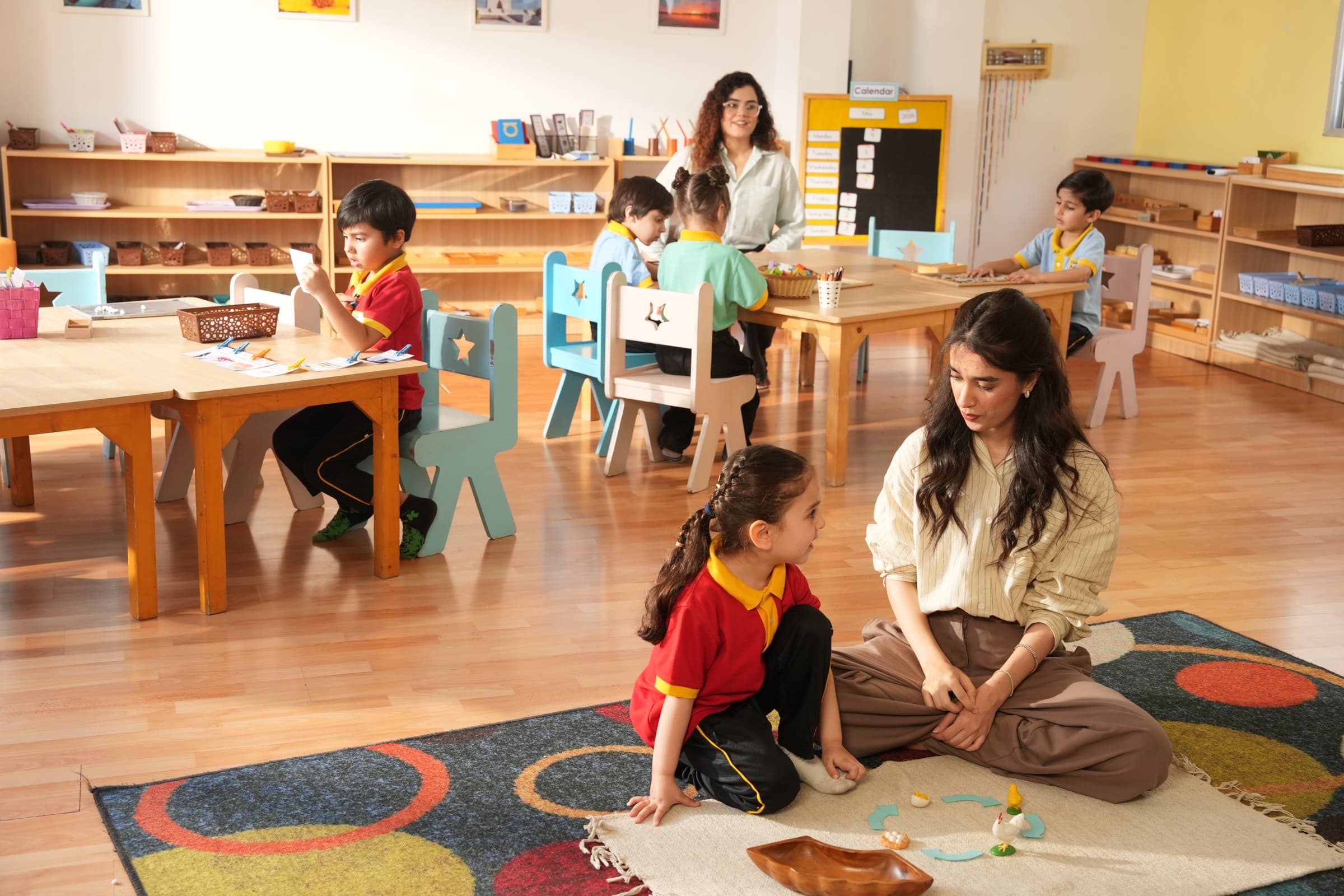
At The Aster School Riyadh, play is never viewed as “free time” between lessons. It is an intentional part of learning.
Inspired by Montessori and Reggio Emilia philosophies, children learn through exploration, discovery, creativity, and purposeful play. Classrooms are designed to encourage curiosity, independence, collaboration, and meaningful experiences that help children build knowledge through doing rather than simply listening.
When learning is joyful, children don’t just remember information, they develop a lifelong love for learning.
Conclusion
When adults see children playing, it’s easy to focus on what they’re doing. Building. Painting. Pretending. Running. Talking.
But beneath every activity, something far more important is happening.
Children are building confidence. Developing language. Strengthening relationships. Learning to solve problems. Discovering how the world works.
Play may look simple. But it is laying the foundation for a lifetime of learning.
References
- Harvard University Center on the Developing Child. Play in Early Childhood: The Role of Play in Any Setting.
- American Academy of Pediatrics. The Power of Play: A Pediatric Role in Enhancing Development in Young Children.
- David A. Kolb. Experiential Learning: Experience as the Source of Learning and Development.
- National Association for the Education of Young Children (NAEYC). The Value of Play in Early Childhood Education.
- UNICEF. Learning Through Play: Strengthening Learning Through Play in Early Childhood Education Programmes.