When parents begin searching for a school, it’s natural to focus on academic results.
Strong grades, impressive achievements, and high test scores often seem like the clearest indicators of a good education. While academic excellence certainly matters, it tells only part of the story.
The most important question isn’t simply, “Will my child achieve good grades?” It’s “Who will my child become during these formative years?”
A truly great school shapes not only what children know, but how they think, how they treat others, and how they approach life’s opportunities and challenges.
A Love for Learning Matters More Than Short-Term Success
Children who enjoy learning are more likely to remain curious, motivated, and resilient throughout their education.
Rather than learning simply to pass a test, they develop the confidence to ask questions, explore ideas, and embrace new challenges.
Research consistently shows that intrinsic motivation — the desire to learn because it is meaningful and enjoyable — supports deeper understanding and long-term academic success.
A school should inspire children to become lifelong learners, not lifelong test-takers.
Character Is Built Every Day
Education is as much about character as it is about knowledge.
Qualities such as kindness, resilience, responsibility, gratitude, and integrity are not developed through occasional lessons. They grow through everyday interactions, meaningful relationships, and a school culture that models these values consistently.
When children learn to persevere through challenges, collaborate with others, and treat people with respect, they are developing strengths that will serve them throughout life.
Children Should Be Active Participants in Learning
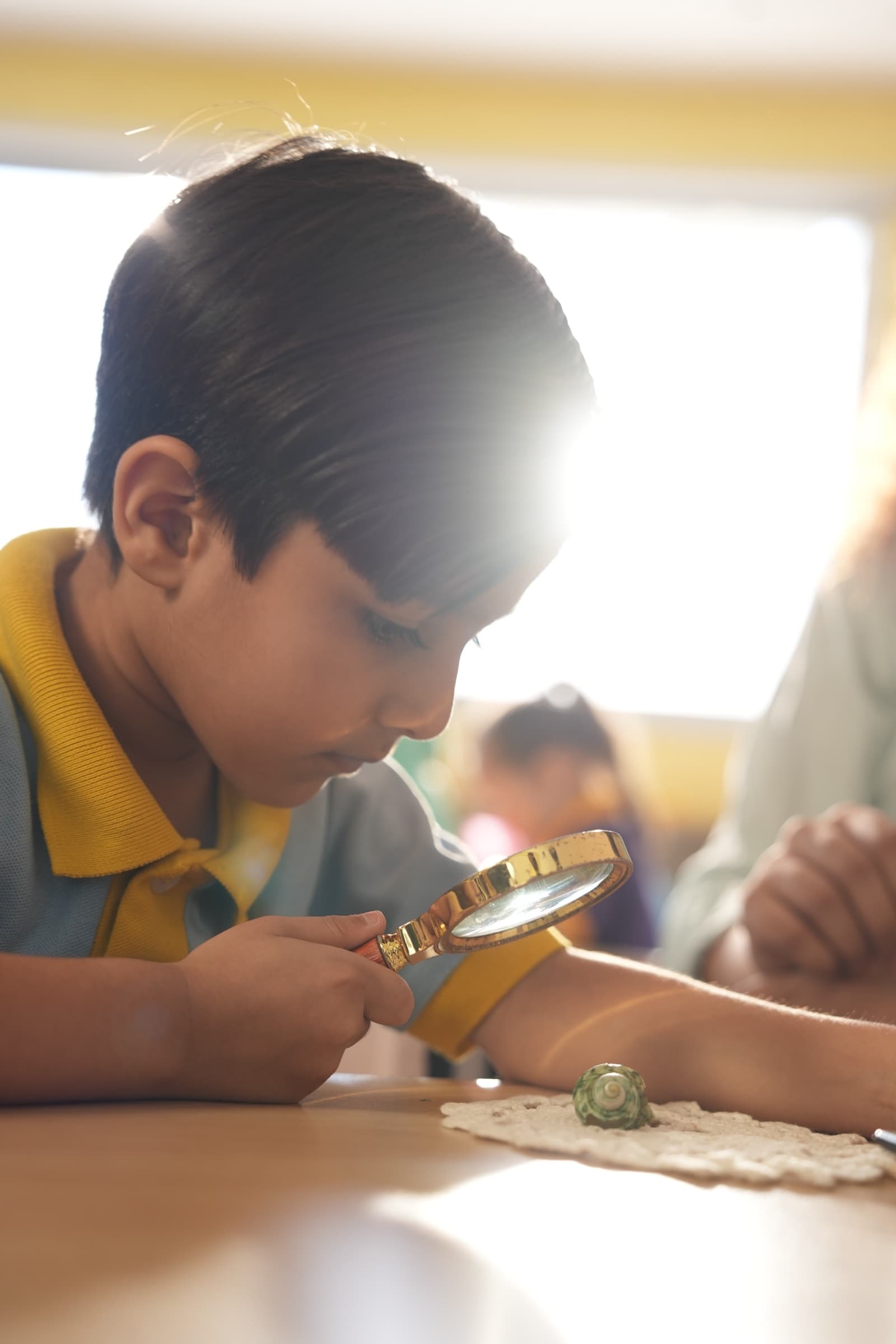
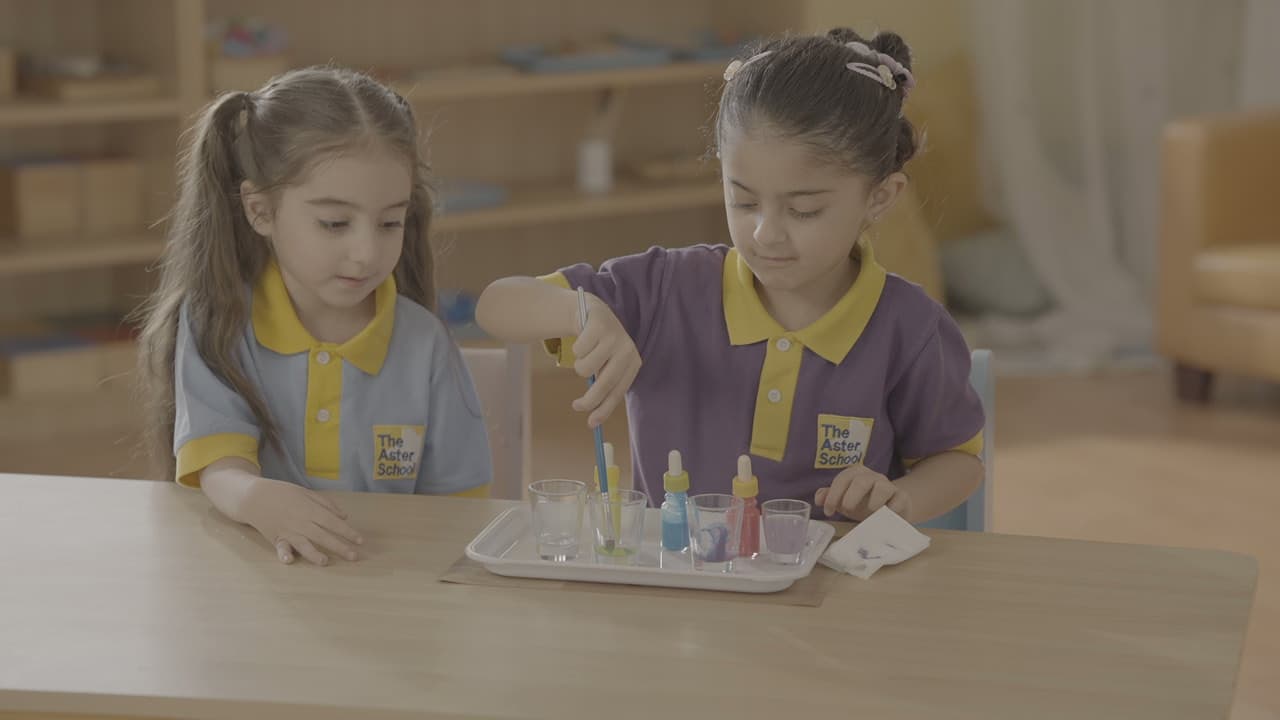
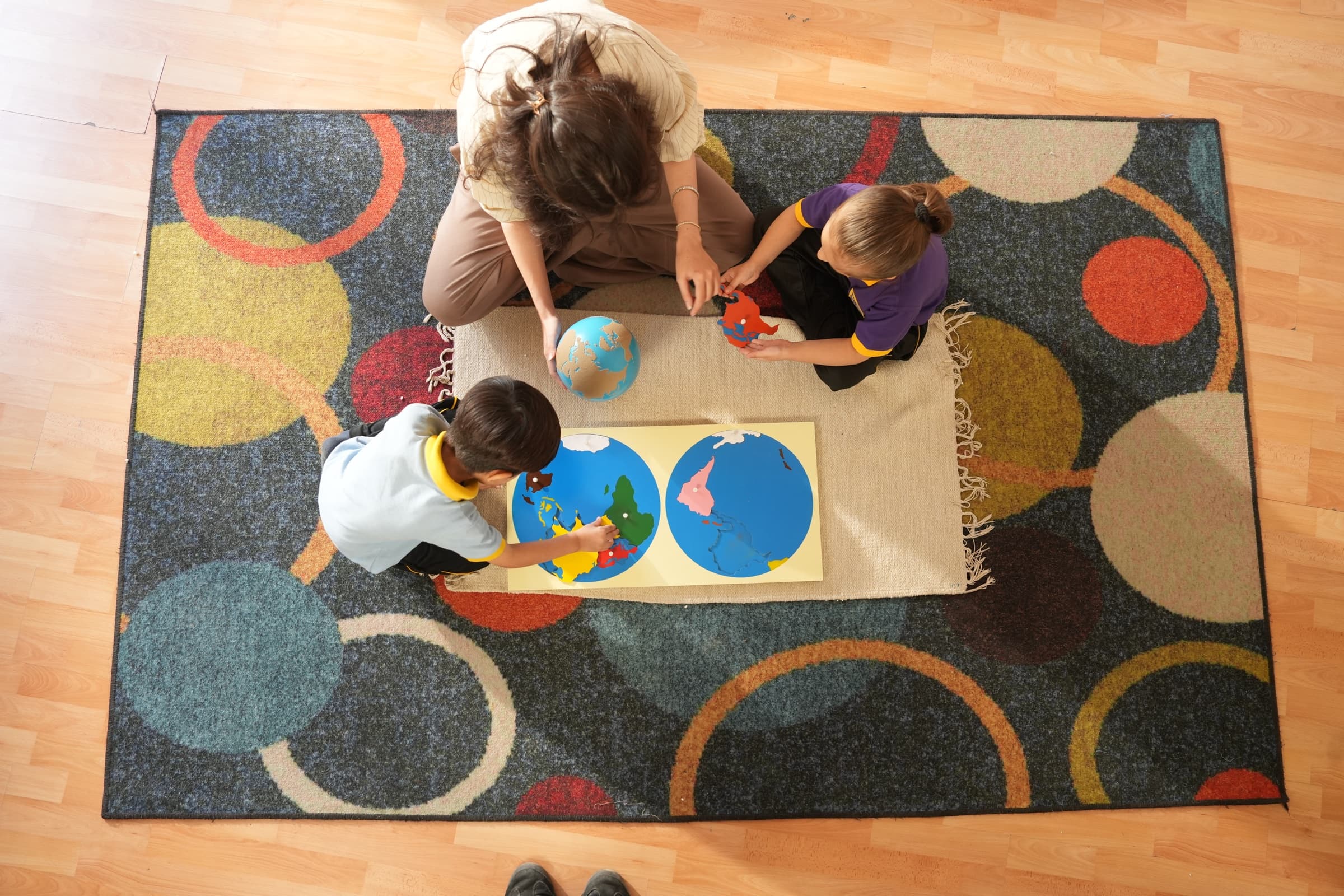
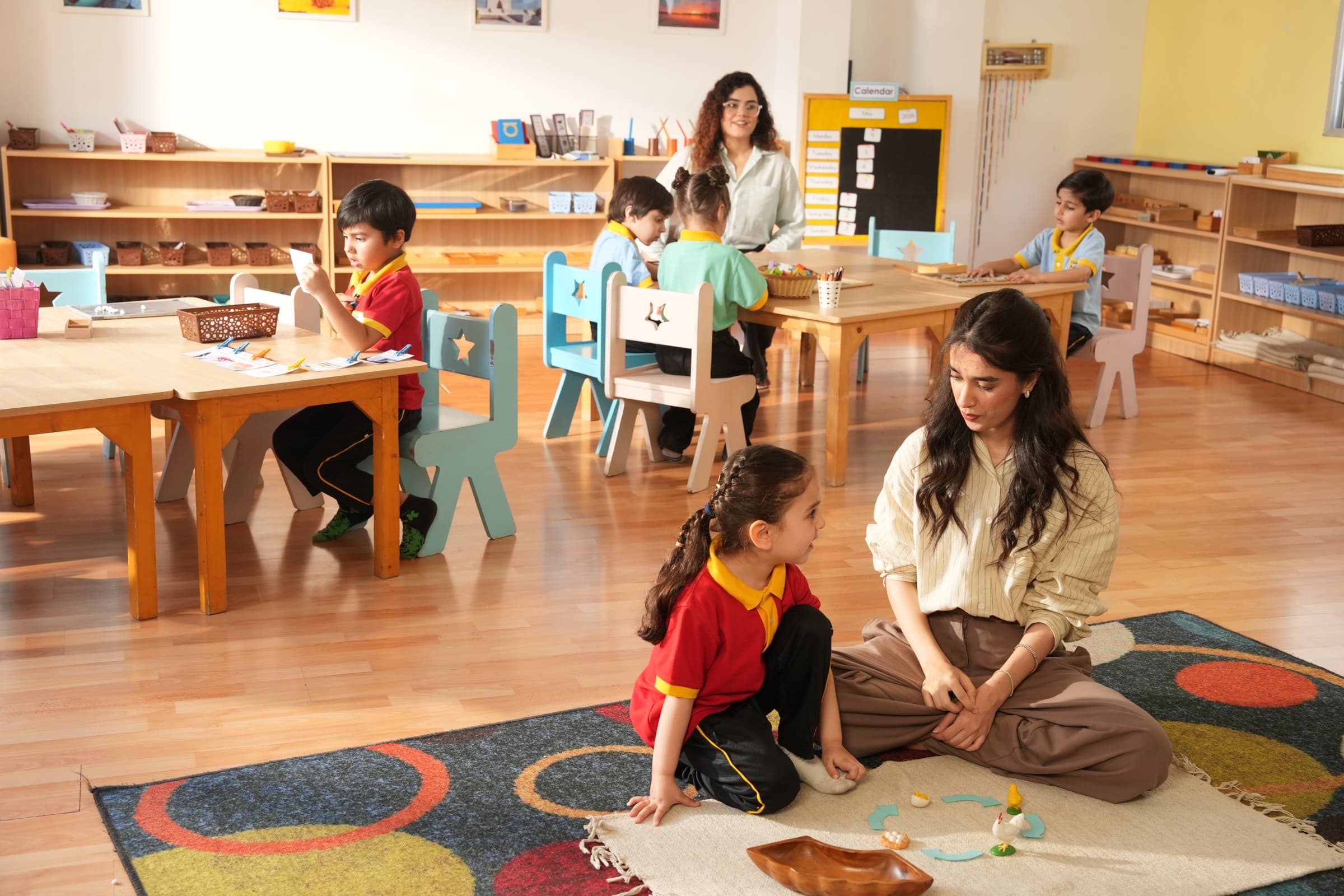
The best classrooms are rarely the quietest. They are filled with questions, conversations, exploration, and discovery.
When children investigate ideas, solve problems, create, and collaborate, they move beyond memorising information and begin developing genuine understanding.
Meaningful learning is something children experience — not something that simply happens to them.
A Strong Partnership with Families
Children flourish when schools and families work together.
Look for a school that values open communication, welcomes parent involvement, and sees education as a shared journey rather than a one-way process.
Strong partnerships create consistency between home and school, helping children feel secure, supported, and understood.
Preparing Children for a Changing World
The future will require much more than academic knowledge.
Creativity, communication, adaptability, collaboration, and critical thinking are becoming just as important as literacy and numeracy.
Schools that provide opportunities for hands-on learning, problem-solving, leadership, and creative thinking are preparing children not only for their next classroom, but for the world beyond it.
The Aster Perspective
At The Aster School Riyadh, we believe excellent education is measured not only by academic progress but also by the confidence, character, curiosity, and independence children develop along the way.
Inspired by Montessori and Reggio Emilia philosophies, our approach encourages children to become active learners who ask questions, think critically, collaborate with others, and develop a genuine love for learning. Alongside strong academics, we intentionally nurture values, wellbeing, and future-ready skills because success is about far more than grades alone.
Conclusion
Grades provide valuable information, but they never tell the complete story.
The most meaningful education helps children discover who they are, develop confidence in what they can achieve, and build the character to contribute positively to the world around them.
As parents explore different schools, it is worth looking beyond academic outcomes and asking a deeper question: Will this school help my child become a capable learner, a kind person, and a confident individual?
Because those qualities will continue to shape their future long after report cards have been forgotten.
References
- OECD. The Future of Education and Skills 2030.
- Harvard Center on the Developing Child. How Children Develop.
- UNESCO. Reimagining Our Futures Together: A New Social Contract for Education.
- World Economic Forum. The Future of Jobs Report 2025.
- National Association for the Education of Young Children (NAEYC). Developmentally Appropriate Practice.