In a world where information is available at the click of a button, the ability to memorize facts is no longer enough. Today’s children need to understand concepts, think critically, solve problems, and apply their learning in meaningful ways.
This is where hands-on learning becomes so powerful.
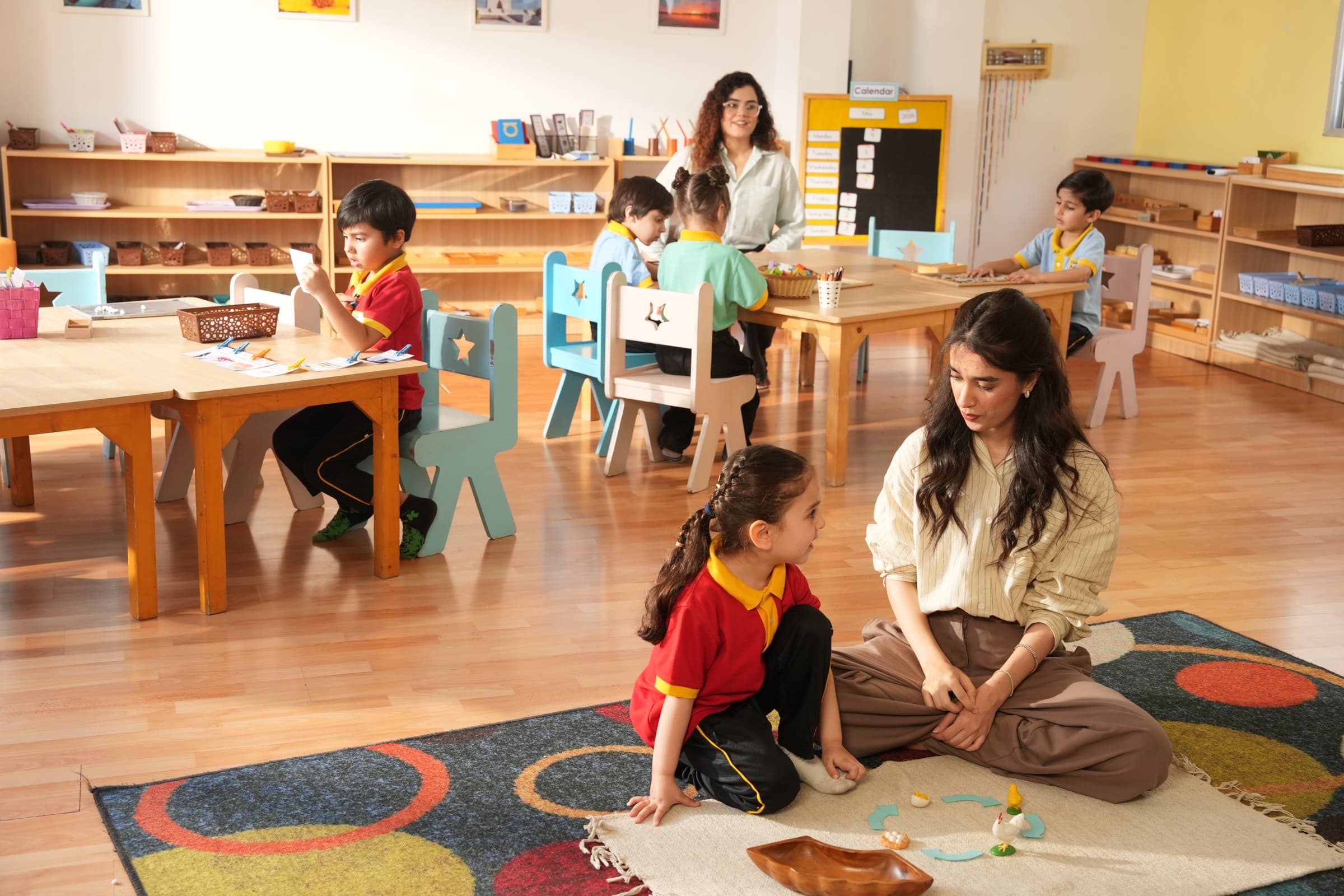
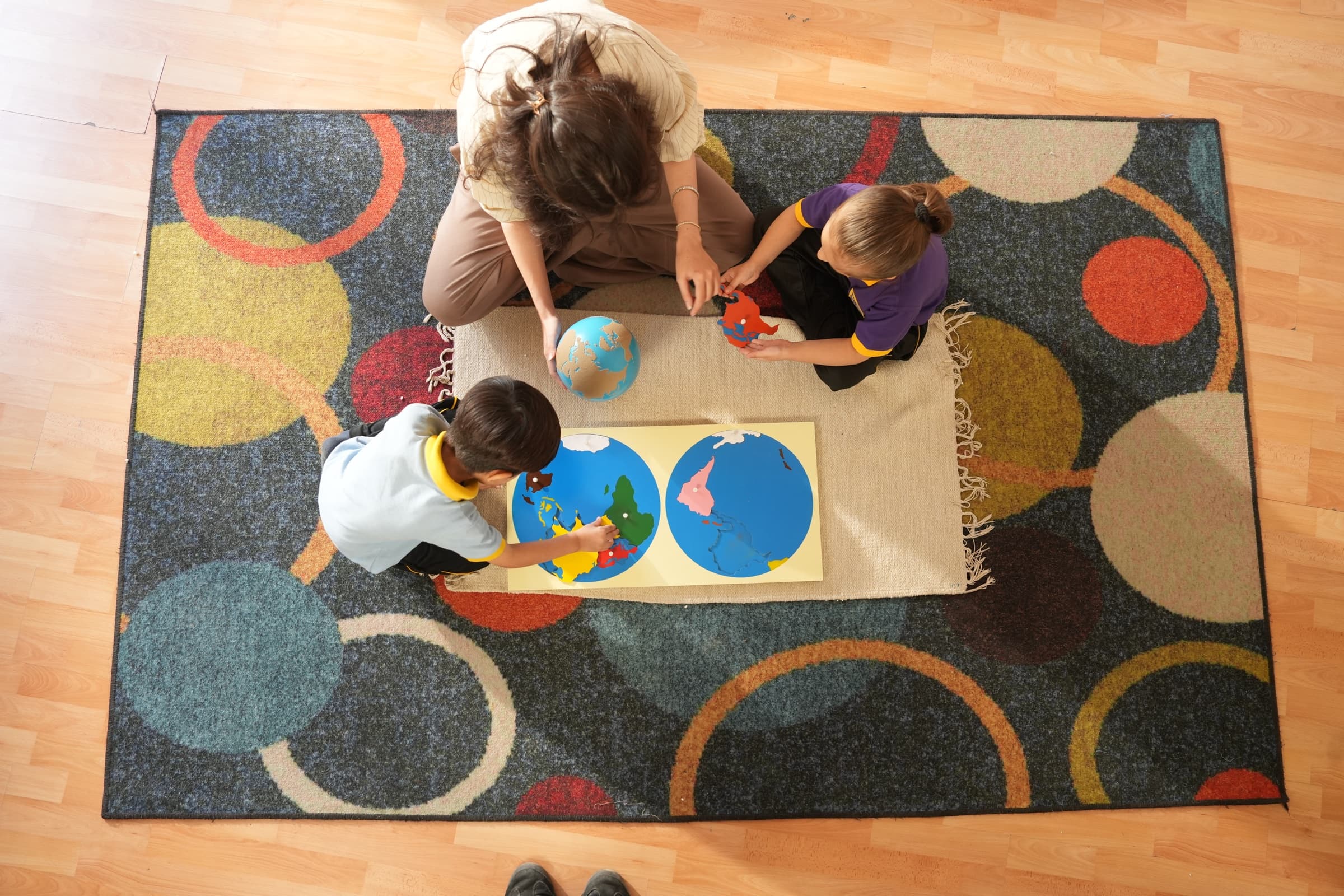
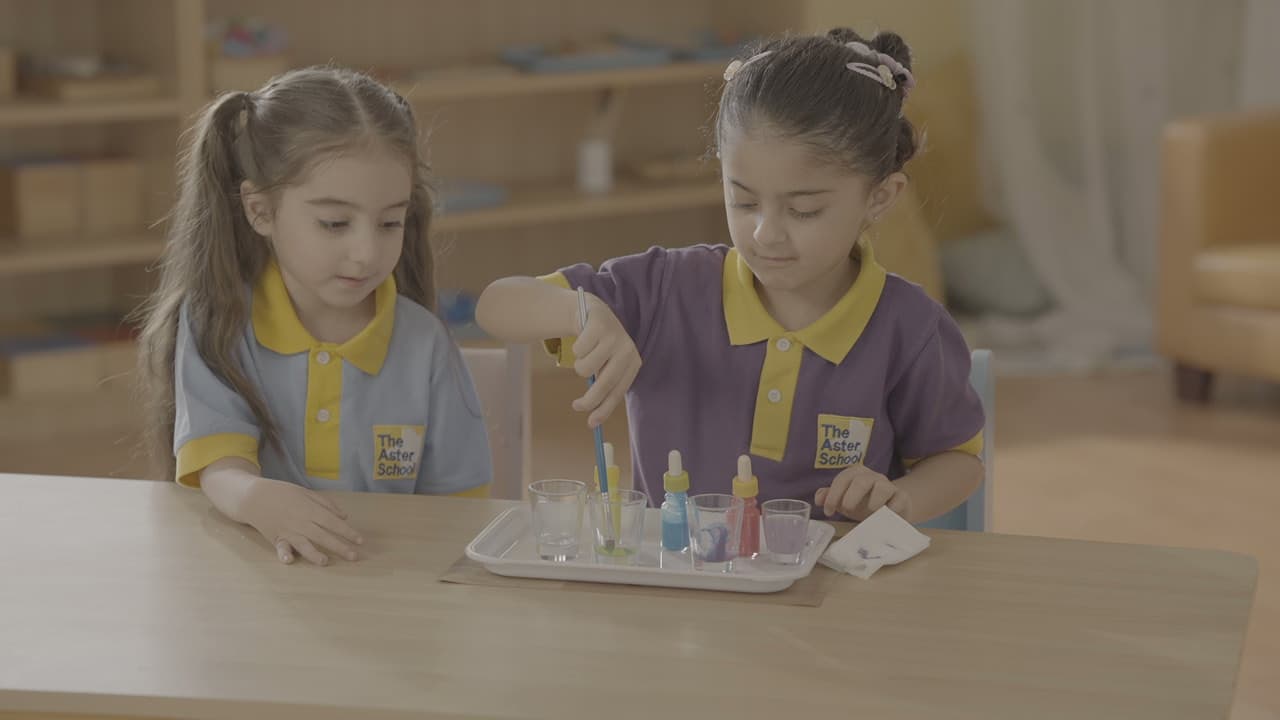
Whether a child is building a structure, planting seeds, experimenting with water, creating artwork, or exploring materials through play, they are doing far more than simply staying busy. They are actively constructing knowledge through experience.
Research consistently shows that children learn best when they are actively involved in the learning process rather than passively receiving information. When children engage with ideas through exploration, movement, discussion, and discovery, they develop a deeper and more lasting understanding of concepts.
Learning by Doing: The Science Behind It
Experiential learning is based on a simple principle: children learn more effectively when they experience something for themselves.
Educational researcher David Kolb’s Experiential Learning Theory suggests that meaningful learning occurs when individuals actively engage in an experience, reflect on it, and apply their understanding to new situations.
For young children, this process happens naturally.
A child learning about measurement may understand the concept more deeply by pouring water between containers than by simply looking at a picture in a workbook. A child exploring patterns with blocks develops a stronger understanding than one who only memorizes examples from a page.
When learning involves doing, the brain creates stronger connections between ideas and experiences, making knowledge easier to understand and remember.
Why Hands-On Learning Leads to Deeper Understanding
Children Become Active Participants
Traditional learning often positions children as receivers of information.
Hands-on learning transforms them into active participants.
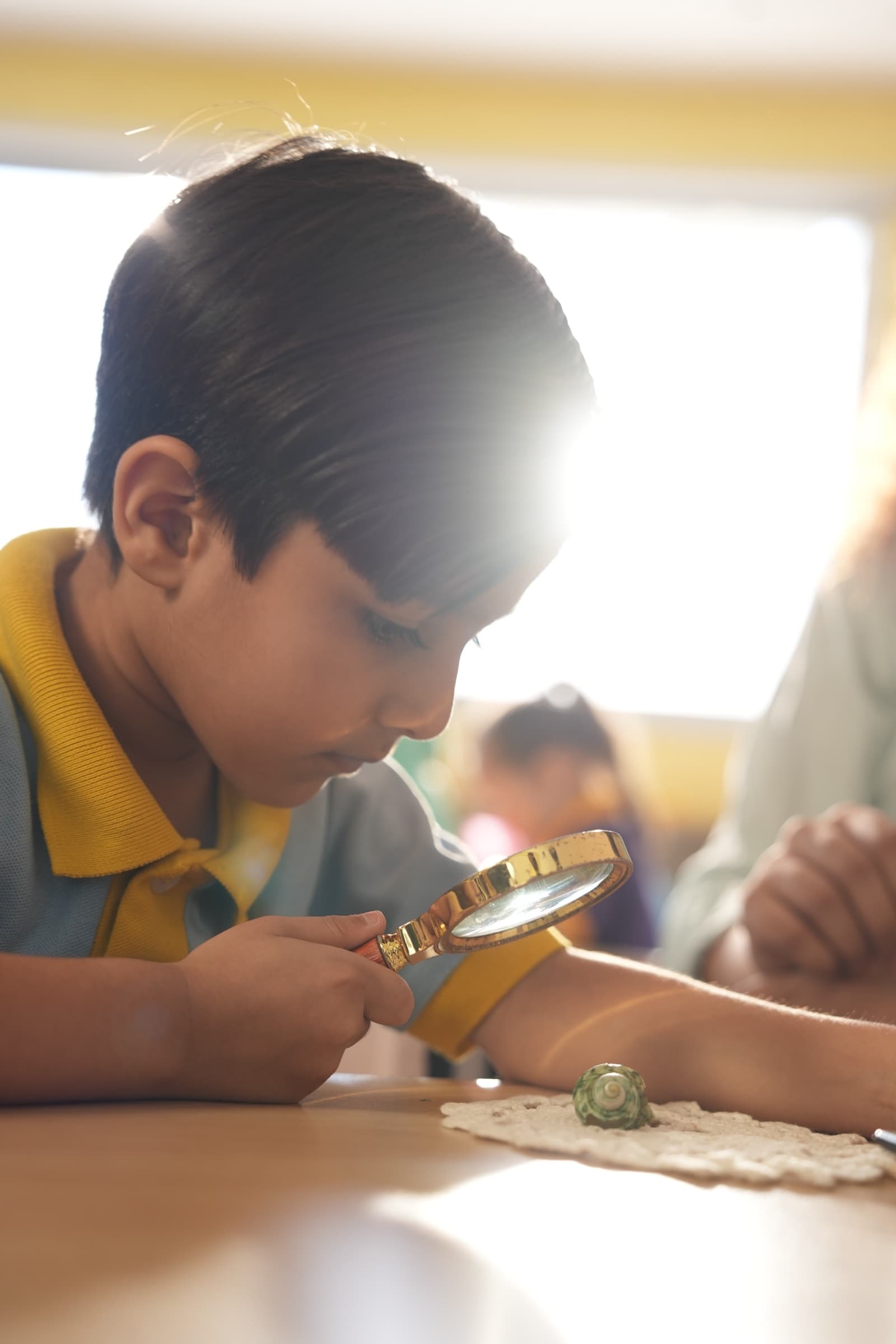
Instead of being told how something works, children investigate, test ideas, make predictions, and discover solutions. This active engagement increases curiosity and helps children take ownership of their learning.
Learning Becomes More Meaningful
Children learn best when concepts are connected to real experiences.
For example, counting objects, baking, gardening, or building structures allows children to see how mathematics exists in everyday life. These experiences help abstract concepts become concrete and understandable.
When learning feels meaningful, children are more likely to remain engaged and retain what they have learned.
Problem-Solving Skills Develop Naturally
Hands-on experiences rarely provide perfect answers.
A tower falls. A bridge collapses. A science experiment doesn’t work as expected.
These moments encourage children to think critically, adapt their approach, and try again. Through this process, they develop problem-solving skills, perseverance, and resilience — qualities that support success far beyond the classroom.
Multiple Areas of Development Work Together
Hands-on learning supports far more than academic growth. While exploring materials and ideas, children simultaneously develop language and communication skills, fine and gross motor skills, creativity and imagination, social and emotional skills, collaboration and teamwork, and critical thinking and reasoning.
Learning becomes a whole-child experience rather than a purely academic exercise.
The Role of Curiosity
Young children are naturally curious. They constantly ask questions, investigate their surroundings, and seek to understand how things work.
Hands-on learning protects and nurtures this curiosity by encouraging exploration rather than simply providing answers.
When children are given opportunities to wonder, experiment, and discover, they develop a mindset that views learning as an exciting process rather than a task to be completed.
This love of learning often becomes one of the most valuable outcomes of early education.
Creating Meaningful Learning Experiences
The goal of education is not simply to help children remember information for a test. It is to help them develop understanding that can be applied in new situations throughout their lives.
Hands-on learning supports this goal by making learning active, meaningful, and engaging. It allows children to explore ideas through real experiences, ask questions, make connections, and develop confidence in their own thinking.
At Aster, we believe children learn best when they are given opportunities to explore, create, collaborate, and discover. Through meaningful experiences and inquiry-based learning, we aim to nurture curious learners who develop a deep understanding of the world around them.
Because when children learn by doing, learning becomes something they truly understand — not something they simply remember.
References
- Kolb, D. A. (1984). Experiential Learning: Experience as the Source of Learning and Development.
- Harvard University Center on the Developing Child. The Science of Early Childhood Development.
- National Association for the Education of Young Children (NAEYC). Developmentally Appropriate Practice.
- American Academy of Pediatrics. The Power of Play: A Pediatric Role in Enhancing Development in Young Children.