Every parent wants to see their child happy.
It’s natural to want to protect children from disappointment, frustration, or failure. We celebrate their successes, comfort them when things go wrong, and often step in when life becomes difficult.
But some of the most valuable lessons children learn come from working through challenges rather than avoiding them.
Whether it’s losing a game, struggling to complete a puzzle, making a mistake, or trying something new, these everyday experiences help children develop one of life’s most important qualities: resilience.
What Is Resilience?
Resilience is the ability to recover from setbacks, adapt to challenges, and keep going even when things don’t go as planned.
It doesn’t mean children never feel disappointed or frustrated.
Instead, it means they learn that difficult emotions are temporary, mistakes are part of learning, and challenges can be overcome with patience, effort, and support.
Research from Harvard University’s Center on the Developing Child highlights that resilience develops through a combination of supportive relationships, opportunities to build coping skills, and experiences that allow children to overcome manageable challenges.
Like any other skill, resilience grows through practice.
Why Children Need Resilience More Than Ever
Today’s children are growing up in a rapidly changing world.
While technology offers incredible opportunities, it has also created environments where answers come quickly and problems are solved instantly.
Real life, however, doesn’t always work that way.
Children will encounter setbacks, disagreements, disappointments, and uncertainty throughout school and beyond.
Resilience gives them the confidence to face these situations with perseverance rather than giving up.
More importantly, it helps them see challenges not as signs of failure, but as opportunities to learn and grow.
Let Children Experience Healthy Struggle
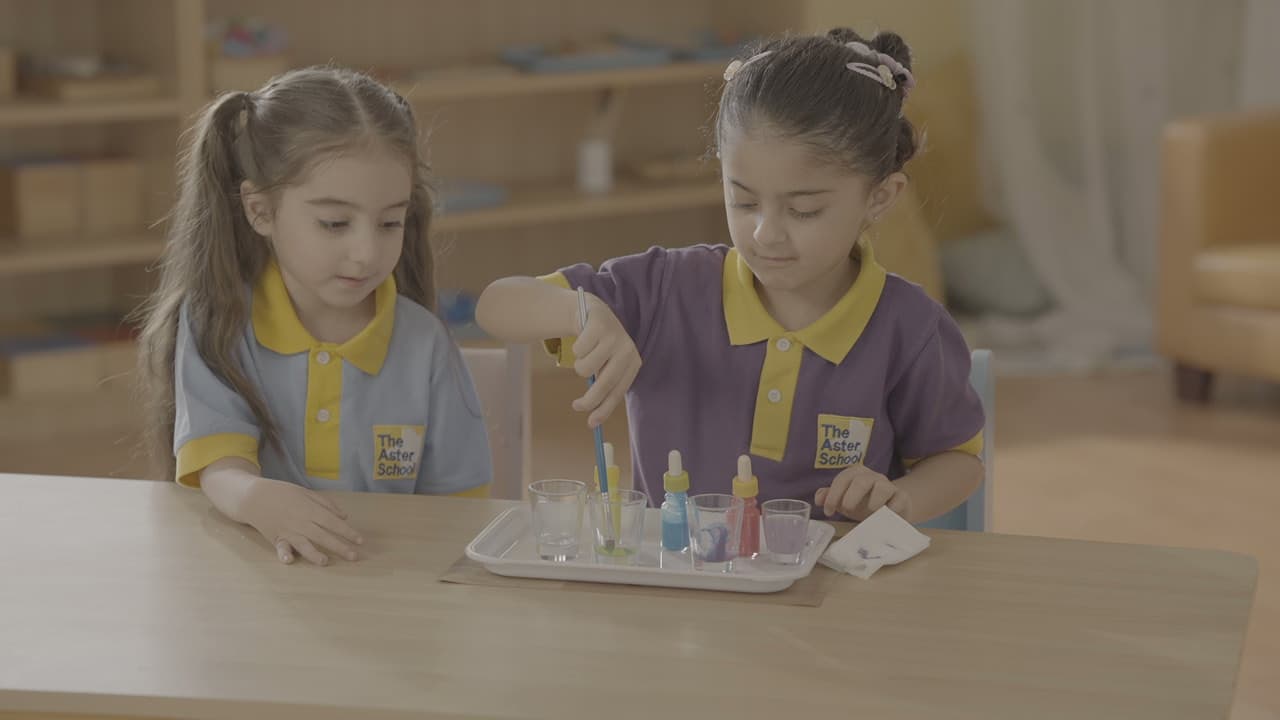
One of the greatest gifts adults can give children is the opportunity to solve age-appropriate problems independently.
This doesn’t mean leaving children without support. It means resisting the urge to step in immediately.
Perhaps they’re trying to zip their jacket. Build a tower. Resolve a disagreement with a friend. Complete a difficult puzzle.
These moments may seem small, but each successful attempt strengthens a child’s belief that they are capable of overcoming obstacles.
That belief becomes the foundation of resilience.
Resilience in Islam
Resilience is deeply rooted in Islamic teachings.
Few examples demonstrate perseverance more powerfully than the life of the Prophet Muhammad ﷺ. Throughout his life, he experienced rejection, hardship, personal loss, and immense challenges. Yet, he PBUH responded with patience (sabr), unwavering faith, compassion, and hope. He never allowed setbacks to define his purpose or weaken his character.
His life reminds us that resilience is not about avoiding difficulty, it is about responding to difficulty with courage, patience, and trust in Allah.
Children may not face the same hardships, but they experience disappointment in their own ways: losing a game, making mistakes, struggling with friendships, or finding a task difficult. These moments become opportunities to teach them that setbacks are not the end of the journey, they are often where growth begins.
By encouraging children to remain patient, keep trying, and place their trust in Allah while doing their best, we help them develop resilience that is rooted in both character and faith.
Create Opportunities to Build Resilience
Resilience isn’t taught through lectures. It’s developed through experience.
Children build resilience when they are encouraged to try new things, solve problems independently, make mistakes without fear, take age-appropriate risks, reflect on what they’ve learned, and try again after setbacks.
Each experience strengthens their confidence to face future challenges.
The Aster Perspective
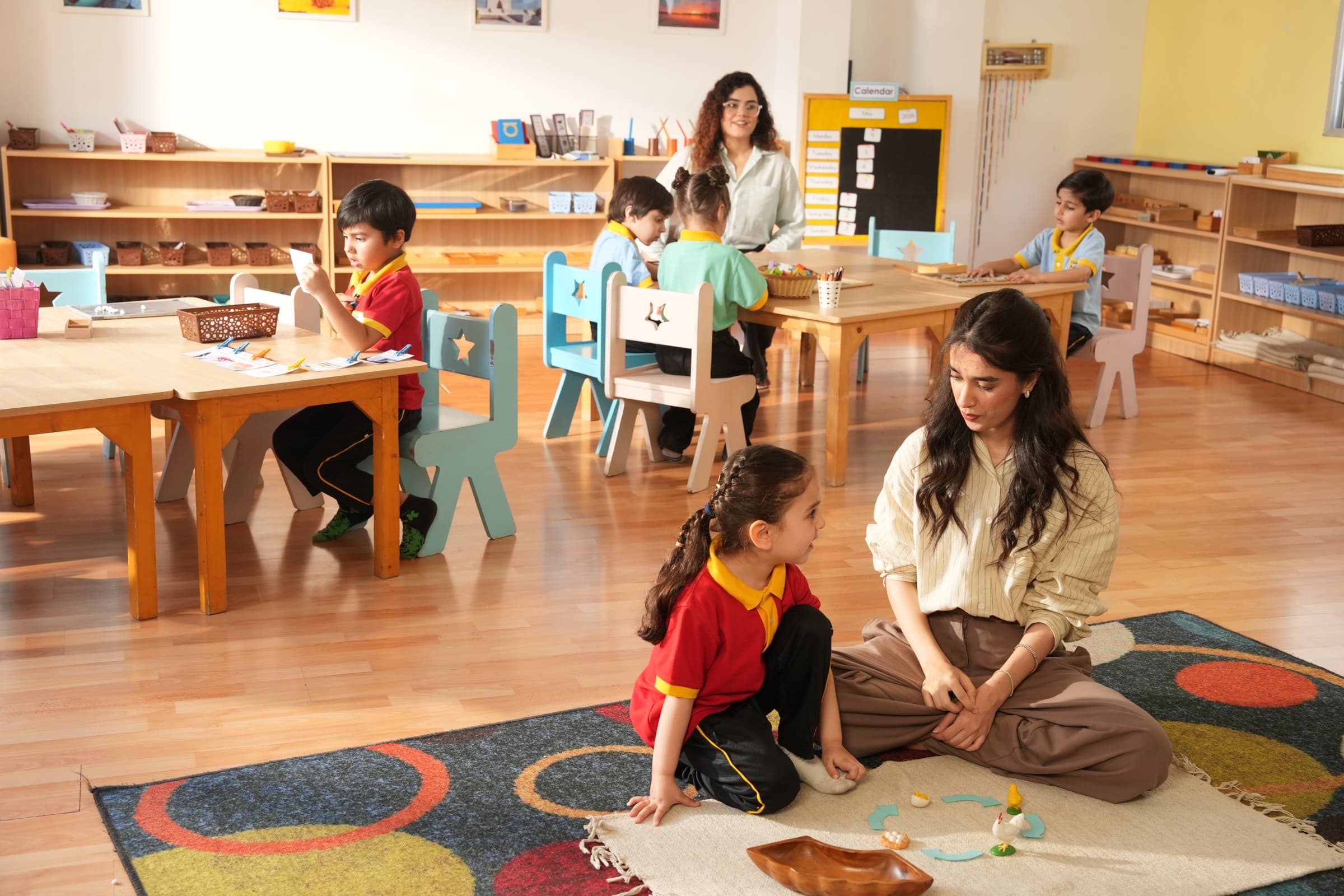
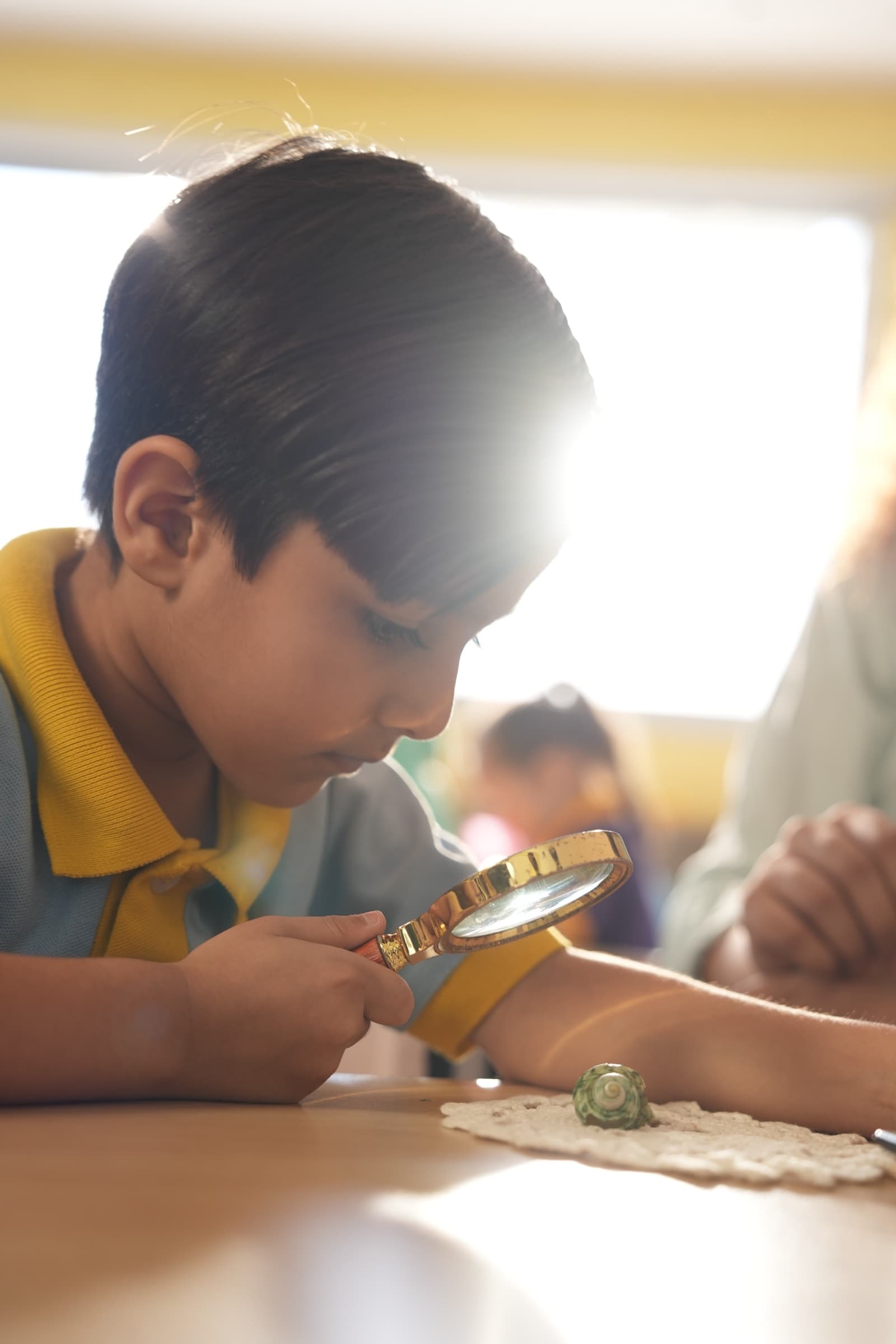
At Aster, resilience is developed through meaningful experiences, not simply discussed as a value.
Inspired by Montessori and Reggio Emilia principles, children are encouraged to make choices, solve problems, explore independently, and learn from mistakes within a safe and supportive environment. Educators guide rather than rescue, helping children develop perseverance, confidence, and the courage to keep trying.
Because resilience isn’t about avoiding challenges. It’s about helping children discover that they are capable of overcoming them.
Conclusion
Life will always present children with obstacles.
As parents and educators, our role isn’t to remove every challenge from their path. It’s to walk beside them as they develop the confidence, determination, and resilience to navigate those challenges themselves.
When children learn that setbacks are part of growth, they gain something far more valuable than immediate success.
They develop the strength to keep moving forward — whatever life brings.
References
- Center on the Developing Child, Harvard University. Supportive Relationships and Active Skill-Building Strengthen the Foundations of Resilience.
- Dweck, C. (2006). Mindset: The New Psychology of Success.
- American Psychological Association. Building Your Resilience.
- Center for the Developing Child, Harvard University. The Science of Resilience.