A toy arrives the next day. A video starts with a tap. Questions are answered in seconds.
Today’s children are growing up in a world where waiting has become increasingly rare. While convenience has made many aspects of life easier, it has also created a new challenge for parents:
How do we raise children who appreciate what they have instead of constantly wanting more?
Gratitude isn’t something children are born with. Like kindness, patience, and resilience, it is a habit that develops through everyday experiences, thoughtful conversations, and the examples set by the adults around them.
Gratitude Is More Than Saying “Thank You”
When we think of gratitude, we often think of good manners. Saying “thank you” is important, but true gratitude goes much deeper.
It is the ability to recognise the people, opportunities, and blessings that enrich our lives — and to appreciate them rather than take them for granted.
Research from psychologists Robert Emmons and Michael McCullough found that practising gratitude is associated with greater happiness, stronger relationships, improved emotional wellbeing, and increased optimism.
For children, gratitude helps shift their focus from “What don’t I have?” to “What do I already have?”
Children Learn Gratitude by Watching Us
Children notice far more than we realise.
If they regularly hear adults expressing appreciation — for family, health, opportunities, or even simple everyday moments — they begin to adopt the same perspective.
Small phrases such as “I’m grateful we could eat together today,” “Wasn’t that kind of our neighbour?” and “I’m thankful for this beautiful weather” teach children that gratitude isn’t reserved for special occasions. It’s part of everyday life.
Create Moments That Can’t Be Bought
Some of children’s happiest memories have very little to do with expensive gifts.
Baking together. Reading a favourite story. Walking in nature. Visiting grandparents. Helping prepare a family meal.
These shared experiences teach children that joy often comes from connection rather than consumption.
When families intentionally create meaningful moments together, children begin to value relationships over possessions.
Let Children Contribute
One of the simplest ways to nurture gratitude is to help children become contributors rather than just receivers.
Giving children small responsibilities — setting the table, watering plants, helping a sibling, or preparing food with a parent — helps them understand the effort that goes into caring for a home and supporting one another.
Contribution builds appreciation. Children value things more deeply when they play a role in creating or caring for them.
Gratitude in Islam
Gratitude holds a special place in Islam.
Allah says in the Qur’an: “If you are grateful, I will surely increase you [in favour].” (Surah Ibrahim 14:7)
Gratitude is not only about recognising blessings — it is also about acknowledging the One who provides them.
Prophet Muhammad ﷺ also demonstrated gratitude through his daily actions. Despite being promised Paradise, he would stand in prayer for long periods. When asked why, he PBUH replied: “Should I not be a grateful servant?” (Sahih al-Bukhari & Sahih Muslim)
For children, gratitude can begin with simple habits: thanking Allah before meals, appreciating the people who care for them, recognising everyday blessings, and learning that every gift — big or small — is a trust to be valued.
These practices help gratitude become part of a child’s character, not just their vocabulary.
The Aster Perspective
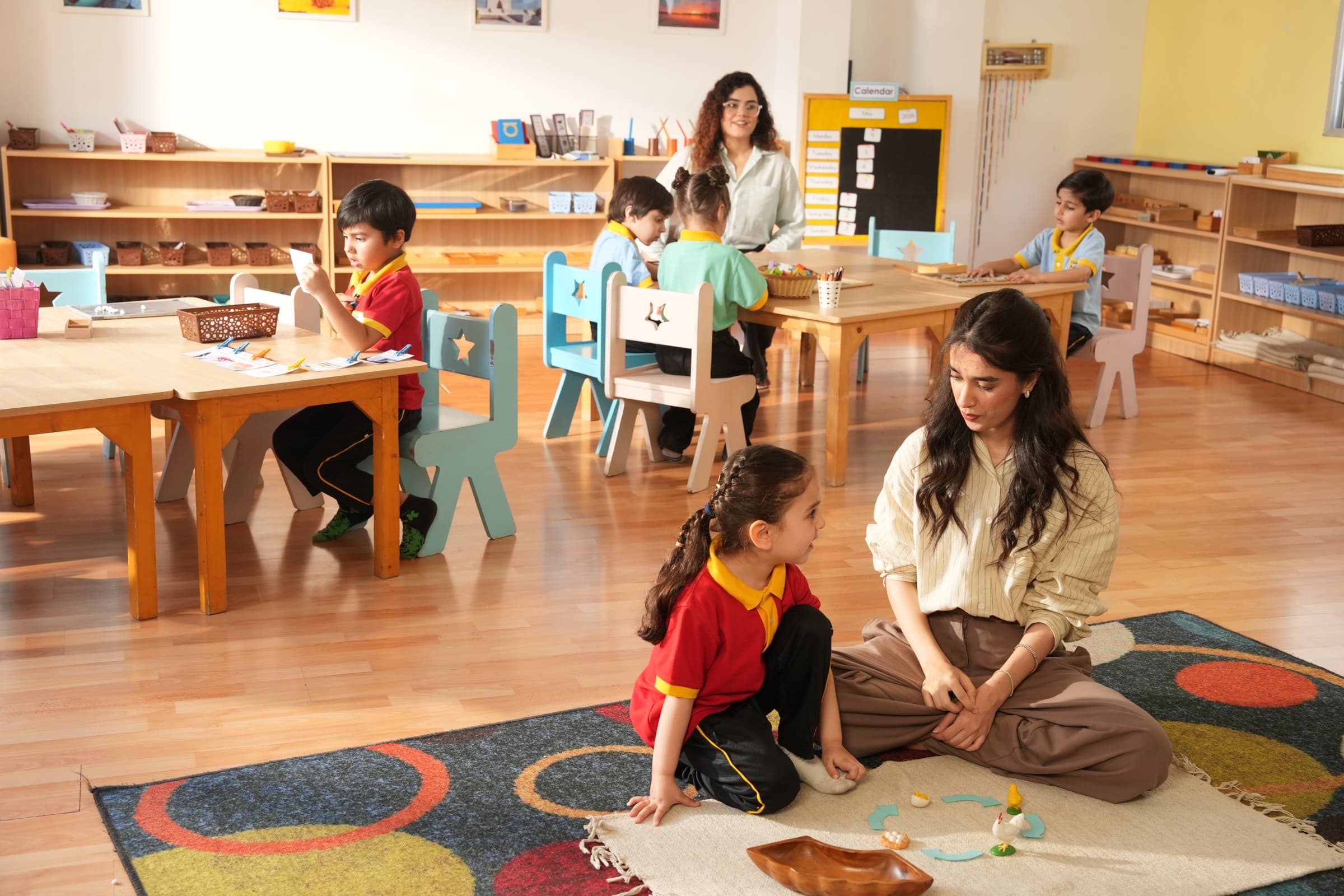
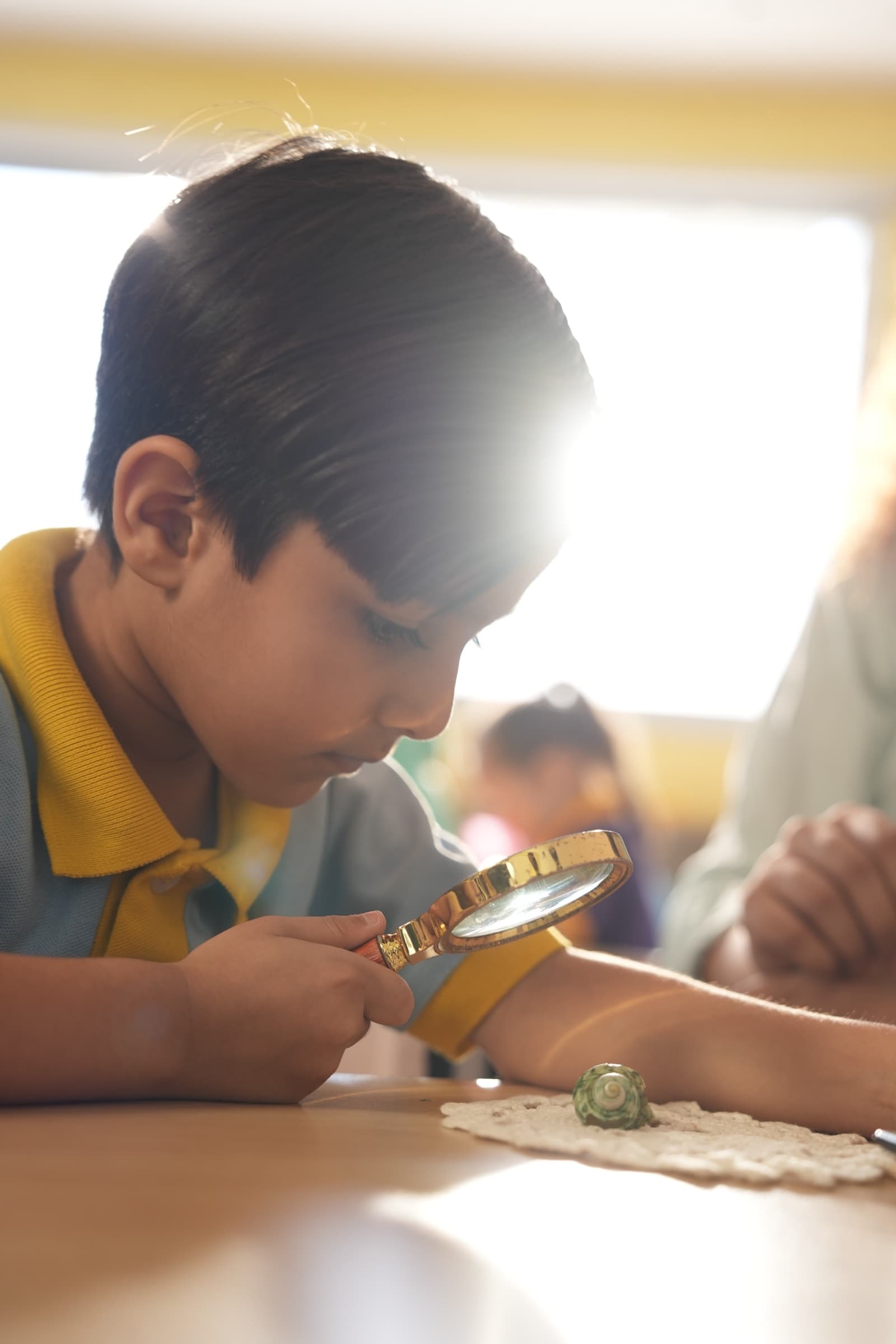
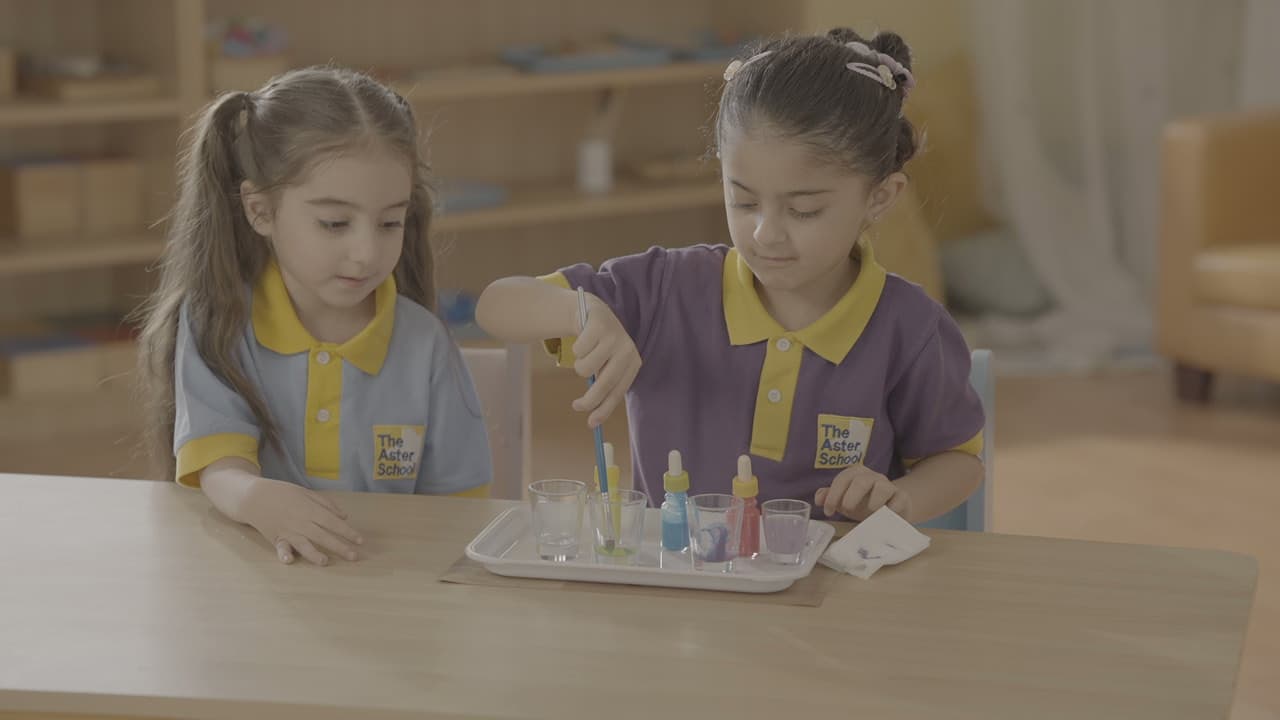
At Aster, character is nurtured through everyday experiences as much as classroom learning.
Inspired by Montessori and Reggio Emilia philosophies, children are encouraged to care for their environment, contribute to their community, reflect on their experiences, and appreciate the people and world around them. Through acts of kindness, responsibility, and meaningful conversations, gratitude becomes something children practise daily rather than simply talk about.
Because grateful children often become compassionate, respectful, and mindful adults.
Conclusion
In a world that constantly encourages children to seek the next new thing, gratitude reminds them to pause and appreciate what they already have.
It grows through family traditions, meaningful conversations, acts of service, and the examples children see every day.
When gratitude becomes a habit, children begin to see abundance where others see scarcity.
And perhaps that is one of the greatest gifts we can give them — not more things, but a heart that recognises the value of every blessing.
References
- Emmons, R. A., & McCullough, M. E. (2003). Counting Blessings Versus Burdens: An Experimental Investigation of Gratitude and Subjective Well-Being in Daily Life.
- Harvard Health Publishing. The Health Benefits of Gratitude.
- American Psychological Association. The Science of Gratitude.
- The Holy Qur’an, Surah Ibrahim (14:7).
- Sahih al-Bukhari and Sahih Muslim (Hadith on gratitude in worship).