“You’re so smart!” “Good job!” “You’re amazing!”
As parents, praise often comes naturally. We celebrate our children’s achievements because we want them to feel confident, valued, and capable.
But what if confidence isn’t built by praise alone?
Research over the past two decades suggests that while encouragement is important, genuine confidence grows from something much deeper: effort, perseverance, overcoming challenges, and experiencing the satisfaction of accomplishing something independently.
The Difference Between Feeling Good and Being Confident
Confidence is often mistaken for feeling good about oneself.
In reality, lasting confidence comes from believing, “I can figure this out.”
That belief doesn’t develop because someone constantly says, “Well done.” It develops when children face challenges, make mistakes, try again, and eventually succeed through their own effort.
Psychologist Albert Bandura described this as self-efficacy — a person’s belief in their ability to accomplish a task. His research found that mastery experiences, where children successfully overcome challenges, are one of the strongest predictors of confidence.
Why Too Much Praise Can Backfire
Praise itself isn’t the problem. The type of praise matters.
Research by psychologist Carol Dweck found that children who are repeatedly praised for being “smart” are more likely to avoid difficult tasks because they fear making mistakes. In contrast, children praised for their effort, persistence, and strategies are more willing to embrace challenges and continue learning.
For example, instead of saying “You’re so clever!” try saying “I noticed how patiently you kept trying until you solved it.”
This shifts a child’s focus from seeking approval to valuing effort and growth.
Confidence Is Built Through Challenge
Think about the moments when your child has felt genuinely proud.
Perhaps they tied their shoes independently for the first time. Completed a difficult puzzle. Learned to ride a bicycle. Made a new friend.
None of these achievements happened because someone praised them first. They happened because children persevered through uncertainty, frustration, and repeated attempts before succeeding.
Those experiences build confidence because they create evidence. Children begin to believe: “I’ve done difficult things before. I can do them again.”
Let Children Struggle — A Little
As parents, it’s natural to want to help.
Sometimes we step in too quickly — tying the laces, finishing the puzzle, answering every question, or solving every problem.
While well-intentioned, constantly rescuing children can unintentionally send the message that they aren’t capable on their own.
Healthy struggle is an essential part of learning. When children are given time to think, experiment, make mistakes, and try again, they develop independence, resilience, and problem-solving skills alongside confidence.
The goal isn’t to remove every obstacle. It’s to provide support while allowing children to experience the satisfaction of solving problems themselves.
Confidence Grows Through Meaningful Experiences
Children don’t build confidence by hearing they are capable. They build confidence by discovering that they are.
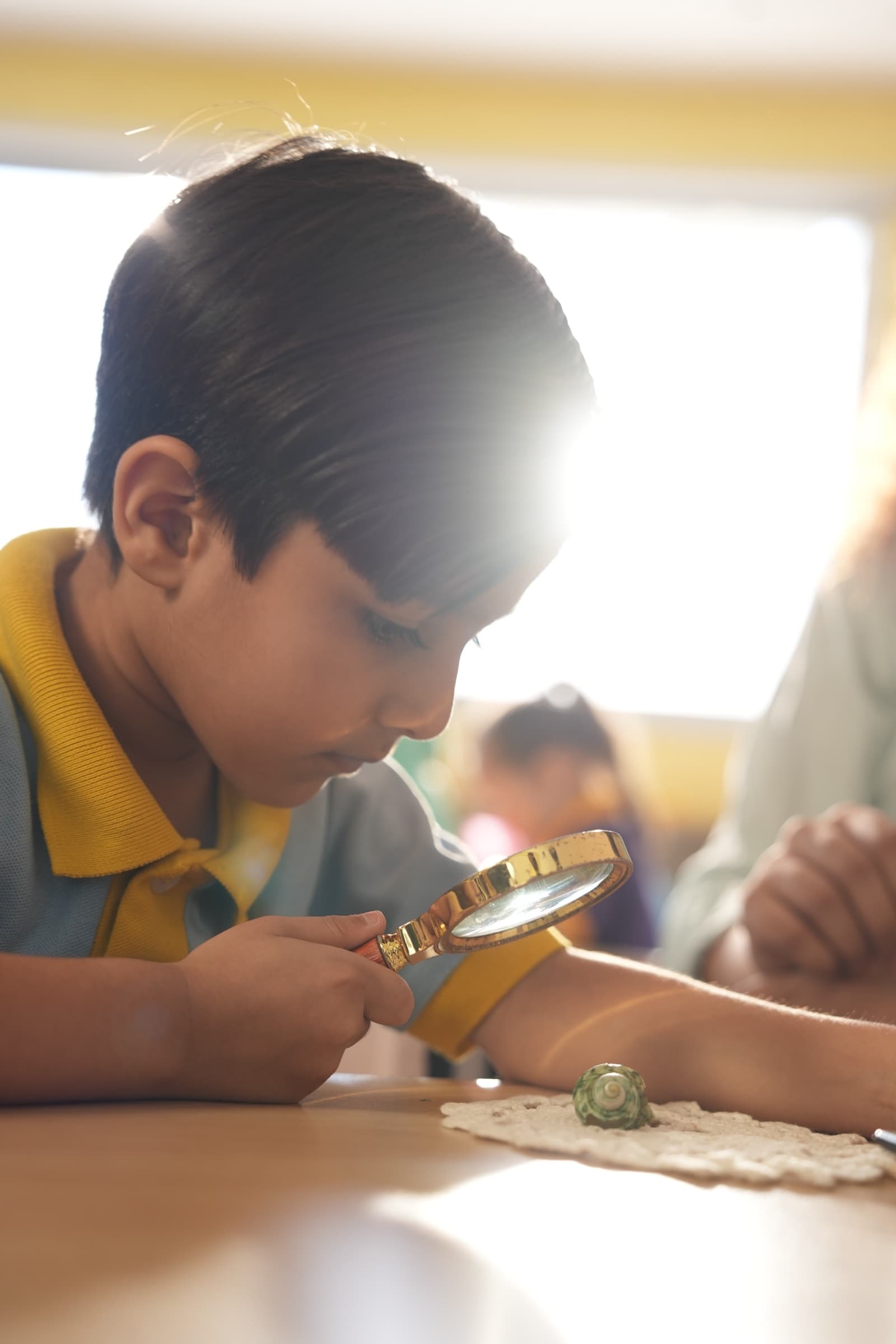
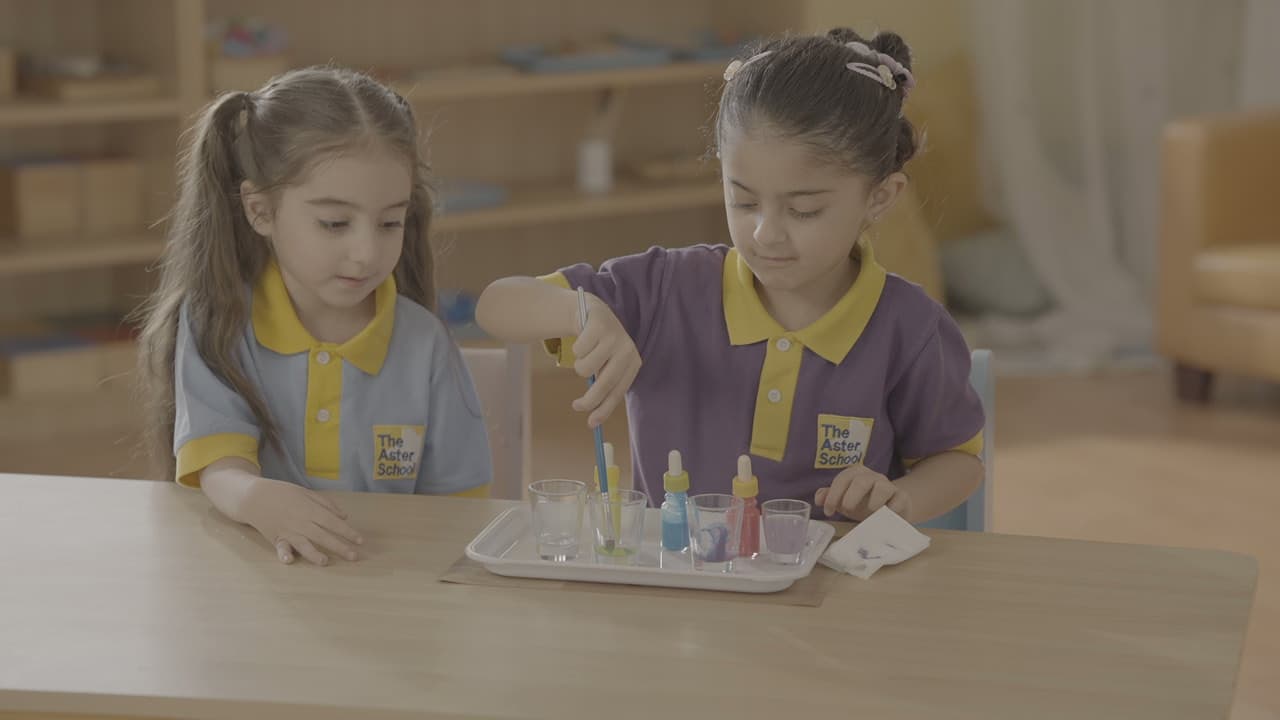
Activities such as building with blocks, creating artwork, caring for plants, completing projects, solving real-world problems, or collaborating with peers all provide opportunities to make decisions, overcome challenges, and celebrate genuine achievement.
Each success becomes another reminder that effort leads to growth.
The Aster Perspective
At Aster, we believe confidence is developed through meaningful experiences rather than constant reassurance.
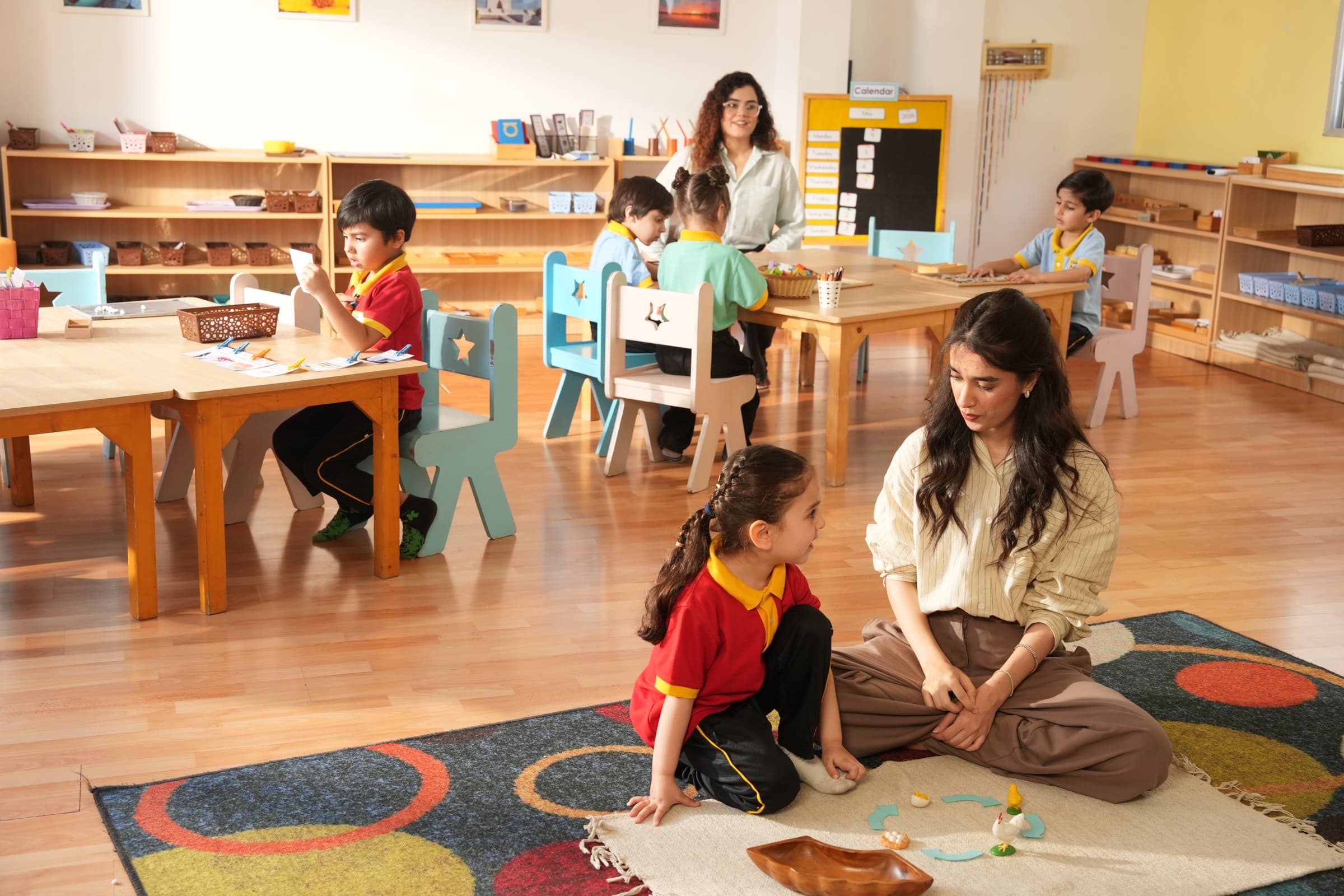
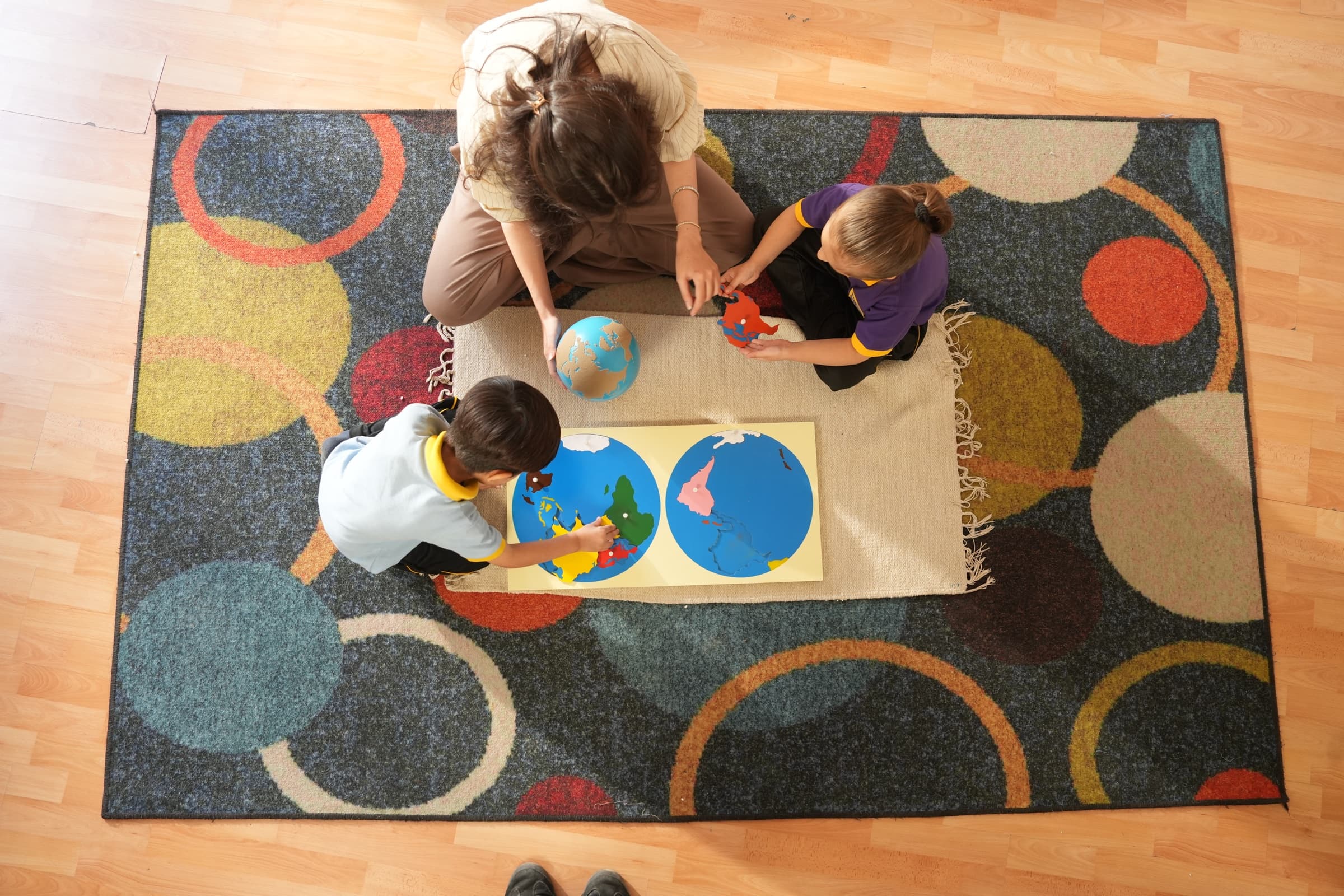
Inspired by Montessori and Reggio Emilia philosophies, our learning environments encourage children to explore independently, ask questions, solve problems, and take ownership of their learning. Educators provide guidance and encouragement while allowing children the space to think, experiment, and discover for themselves.
Because confidence isn’t something adults can give children. It is something children build — one challenge, one achievement, and one meaningful experience at a time.
Conclusion
Praise will always have an important place in parenting.
But perhaps the greatest gift we can give our children isn’t constant praise — it’s the opportunity to grow through effort, resilience, and achievement.
When children realise that they can overcome challenges through their own determination, they develop something far more valuable than temporary reassurance.
They develop confidence that lasts a lifetime.
References
- Bandura, A. (1997). Self-Efficacy: The Exercise of Control.
- Dweck, C. (2006). Mindset: The New Psychology of Success.
- Center on the Developing Child, Harvard University. Serve and Return Interaction Shapes Brain Architecture.
- American Academy of Pediatrics. The Power of Play: A Pediatric Role in Enhancing Development in Young Children.