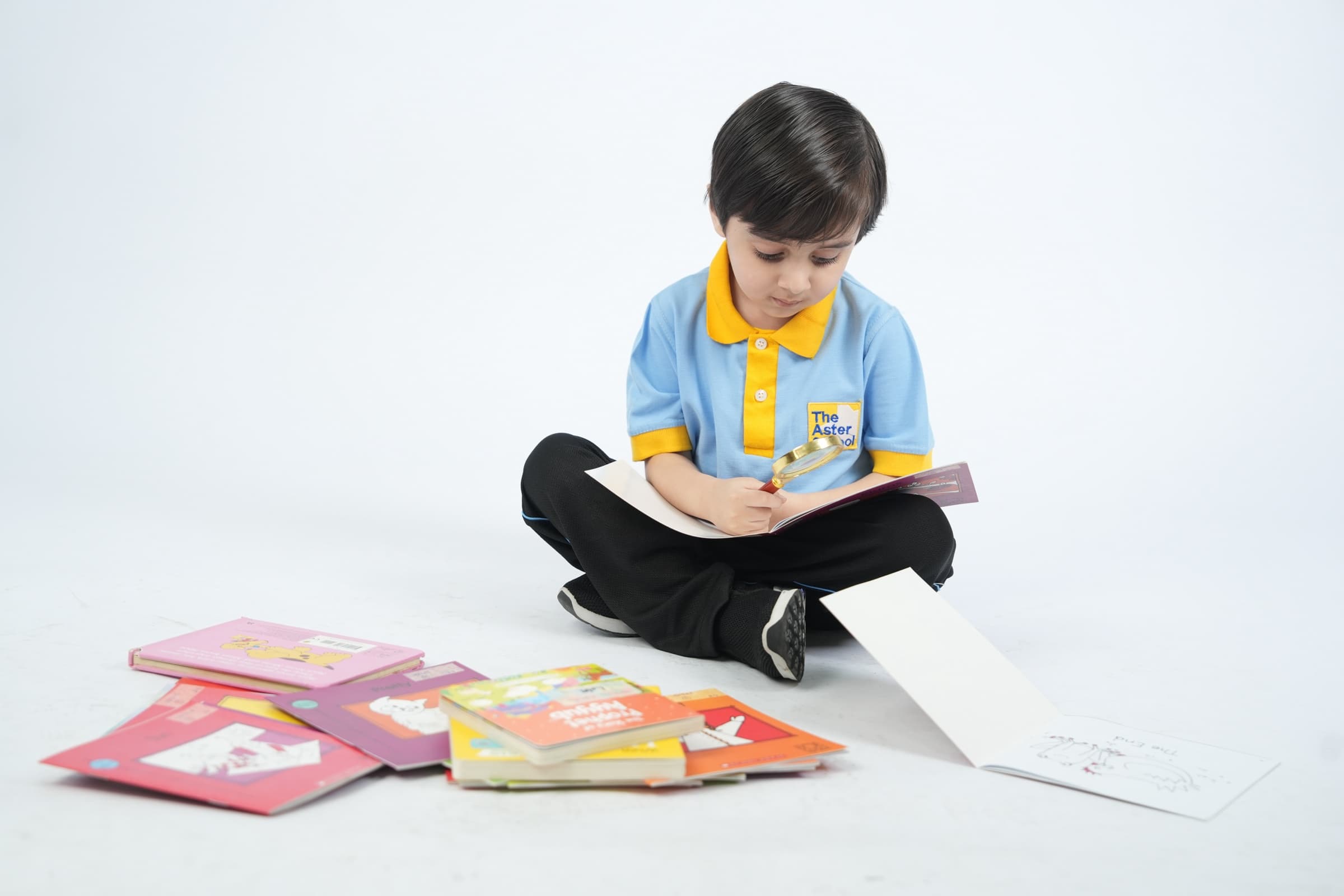
The children entering preschool today will graduate into a world that looks very different from the one we know now.
Many of the careers they will pursue haven’t been invented yet. Artificial intelligence will continue to transform industries. Technology will evolve rapidly. New challenges will demand new ways of thinking.
In this changing world, success will depend on far more than academic knowledge alone.
The question for parents and educators is no longer, “What should children know?” It’s also, “What kind of people should they become?”
The Future Belongs to Lifelong Learners
Knowledge has never been more accessible.
With information available instantly, the ability to memorise facts is becoming less valuable than the ability to think critically, ask meaningful questions, and apply knowledge in new situations.
According to the World Economic Forum’s Future of Jobs Report, employers increasingly value skills such as analytical thinking, creativity, resilience, curiosity, leadership, and lifelong learning alongside technical expertise.
The future belongs to those who never stop learning.
Creativity Is No Longer Optional
Creativity is often associated with art or music.
In reality, creativity is the ability to generate ideas, solve unfamiliar problems, and approach situations from different perspectives.
Whether designing new technologies, starting businesses, improving healthcare, or protecting the environment, tomorrow’s innovators will need creative thinking every day.
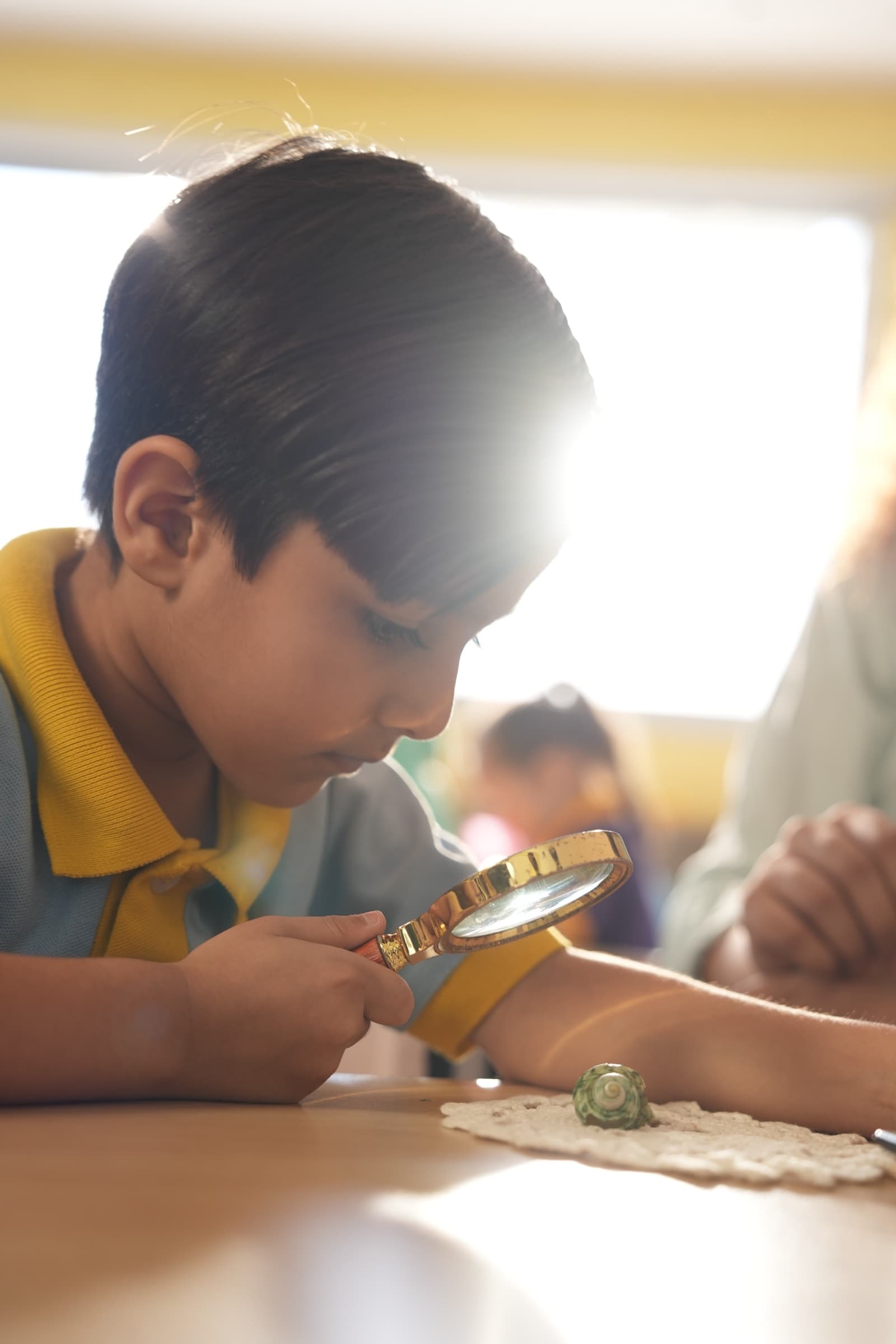
Children develop creativity when they are encouraged to experiment, imagine, build, design, ask questions, and explore without fear of making mistakes.
Critical Thinking Helps Children Navigate Complexity
Children today are growing up with unlimited access to information. But information alone isn’t enough.
They must learn to evaluate ideas, distinguish facts from opinions, solve problems thoughtfully, and make informed decisions.
Critical thinking develops when children investigate, discuss, question, test ideas, and reflect on their learning rather than simply memorising answers.
These habits prepare them not only for future careers but also for responsible citizenship.
Adaptability Will Be One of Life’s Greatest Strengths
The future is impossible to predict.
Technologies will change. Careers will evolve. New opportunities will emerge.
Children who learn to adapt, embrace change, and remain curious will be better equipped to thrive in uncertain environments.
Adaptability begins early through experiences that encourage flexibility, resilience, and confidence in trying new things.
Every challenge becomes an opportunity to learn something new.
Saudi Vision 2030 and Future-Ready Learners
Saudi Arabia’s Vision 2030 places education at the heart of national development, recognising that today’s children will become tomorrow’s innovators, entrepreneurs, researchers, and leaders.
Alongside academic excellence, the vision emphasises creativity, digital transformation, innovation, entrepreneurship, and developing the skills needed for a knowledge-based economy.
Preparing children for this future means giving them opportunities to think independently, collaborate with others, solve real-world problems, and develop confidence in their own ideas from an early age.
These are not simply educational trends, they are essential life skills.
The Aster Perspective
At Aster, preparing children for the future begins long before they encounter advanced technology.
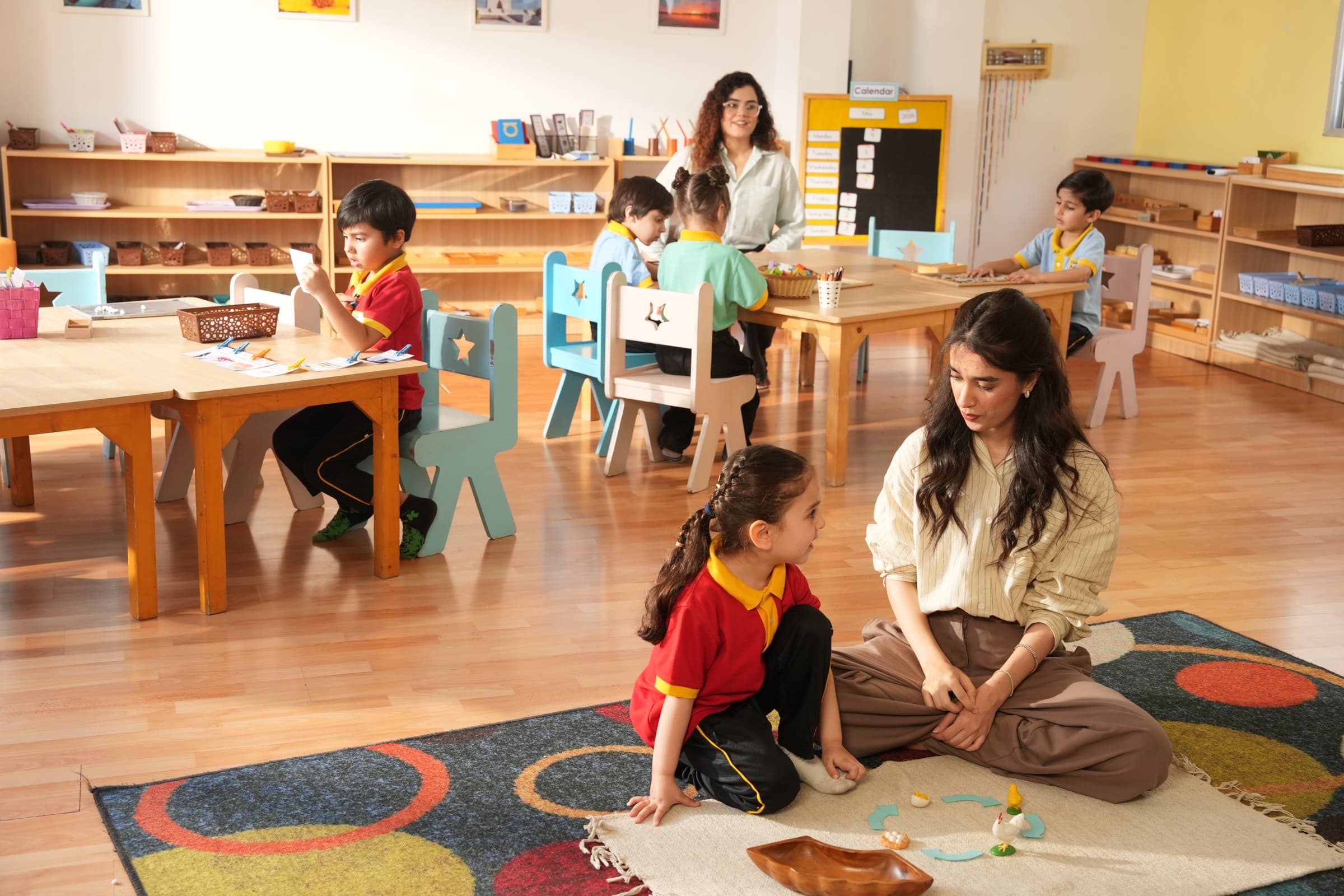
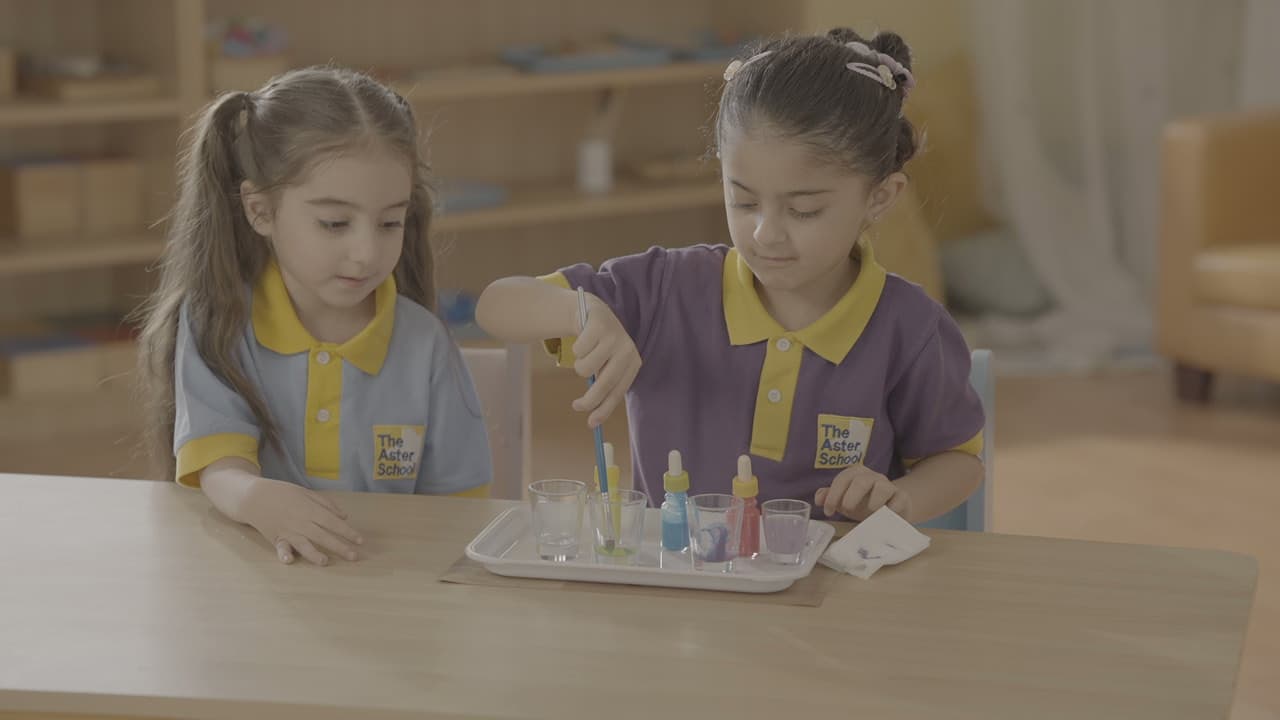
Inspired by Montessori and Reggio Emilia philosophies, children learn through inquiry, exploration, creativity, and meaningful experiences that encourage them to think independently and solve problems with confidence. Whether collaborating on projects, experimenting with ideas, engaging in robotics and digital learning, or expressing their creativity through play, children develop the habits of mind that will serve them throughout their lives.
Because while technology will continue to evolve, qualities such as curiosity, adaptability, creativity, and resilience will always remain deeply human.
Conclusion
No one can predict exactly what the world will look like in 2040. But we can be confident about one thing: children who are curious, adaptable, creative, and willing to keep learning will be prepared for whatever the future brings.
Education has never been simply about preparing children for their next exam. It is about preparing them for a lifetime of growth, contribution, and possibility.
And perhaps the greatest skill we can give them is the confidence to keep learning long after they leave the classroom – Whatever It Takes!
References
- World Economic Forum. The Future of Jobs Report 2025.
- OECD. Future of Education and Skills 2030.
- UNESCO. Reimagining Our Futures Together: A New Social Contract for Education.
- Saudi Vision 2030. Human Capability Development Program.
- World Economic Forum. Schools of the Future: Defining New Models of Education for the Fourth Industrial Revolution.