A child’s earliest years are among the most important in shaping how they learn, think, and interact with the world. Long before formal academics begin, children are developing the cognitive, social, emotional, and physical foundations that influence learning for years to come.
But great early years education is about much more than preparing children for primary school.
It is about nurturing curious minds, confident learners, and capable individuals who develop a lifelong love for learning.
So, what truly makes an outstanding early years education?
It Recognises That Every Child Learns Differently
No two children learn in exactly the same way.
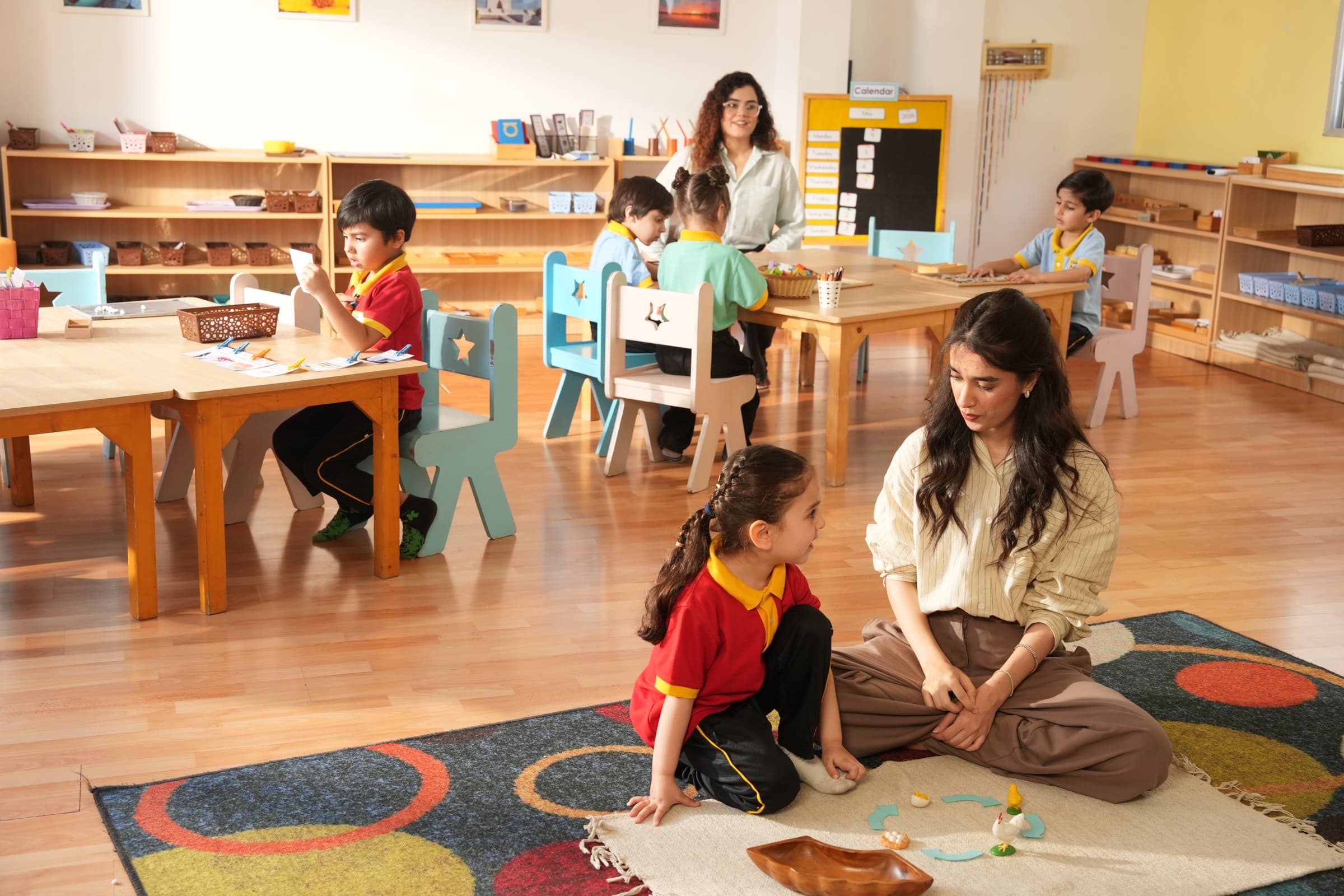
Some learn through movement, others through observation, conversation, creativity, or hands-on exploration. Great early years education respects these differences and provides children with multiple ways to discover, investigate, and express their understanding.
Rather than expecting every child to fit one method of learning, effective educators create environments that adapt to children’s individual interests, abilities, and stages of development.
It Prioritises Learning Over Memorisation
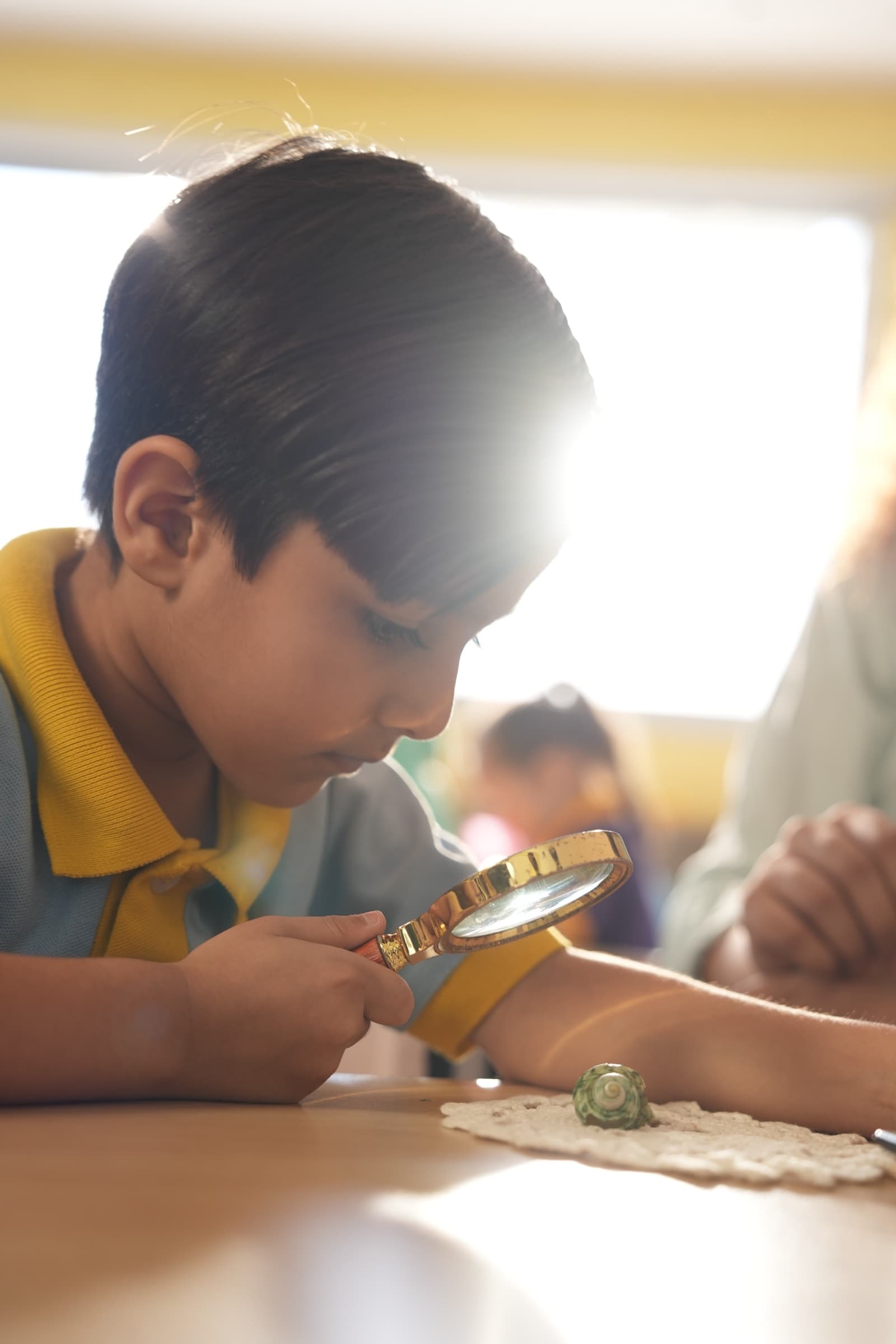
Young children are naturally curious. They ask questions, explore their surroundings, and learn by experimenting with the world around them.
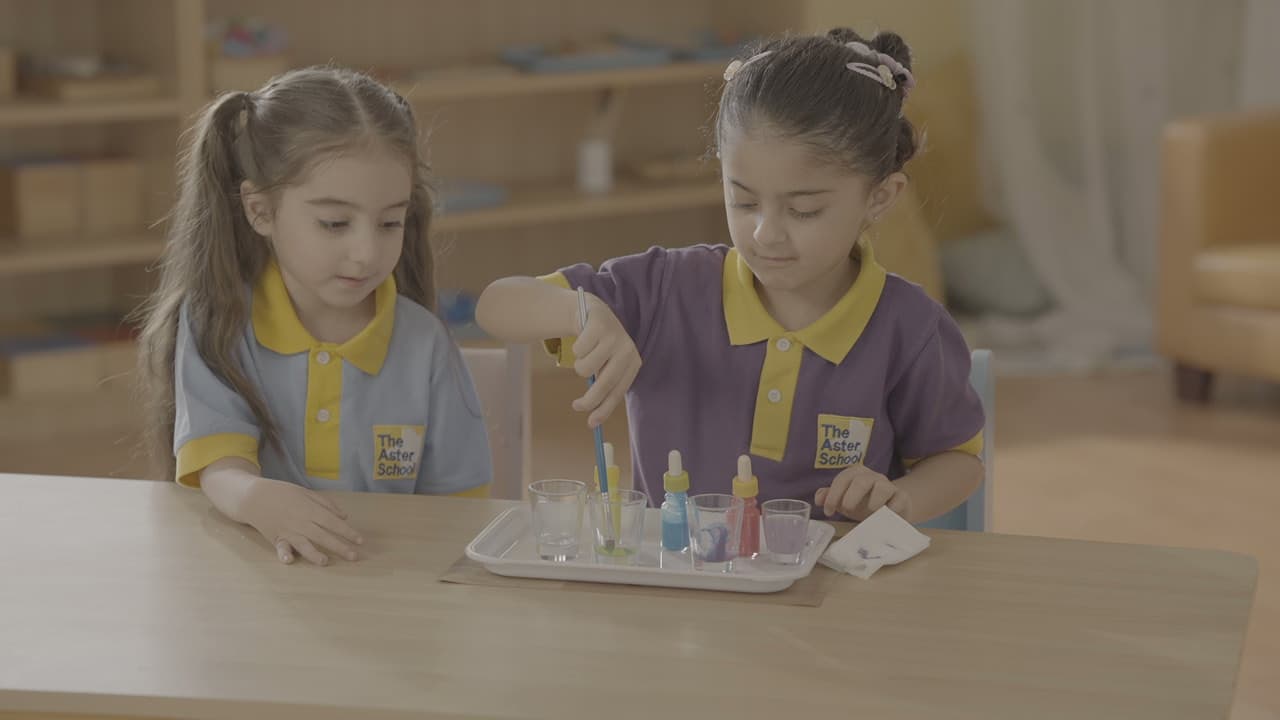
Research consistently shows that children develop deeper understanding when they actively engage in learning rather than simply memorising information. Activities that encourage exploration, problem-solving, and inquiry help children build knowledge they can apply in meaningful ways.
When children understand why something works, they are far more likely to remember it than if they simply memorise the answer.
It Develops the Whole Child
Academic learning is only one part of a child’s development.
According to Harvard University’s Center on the Developing Child, early experiences shape the architecture of the developing brain, influencing not only cognitive skills but also emotional regulation, relationships, resilience, and lifelong wellbeing.
Great early years education therefore nurtures every aspect of development, including language and communication, social and emotional wellbeing, physical development, creativity and imagination, critical thinking, and independence and confidence.
Children thrive when these areas grow together.
It Values Play as Serious Learning
To adults, play may look simple. To children, it is one of the most powerful ways they learn.
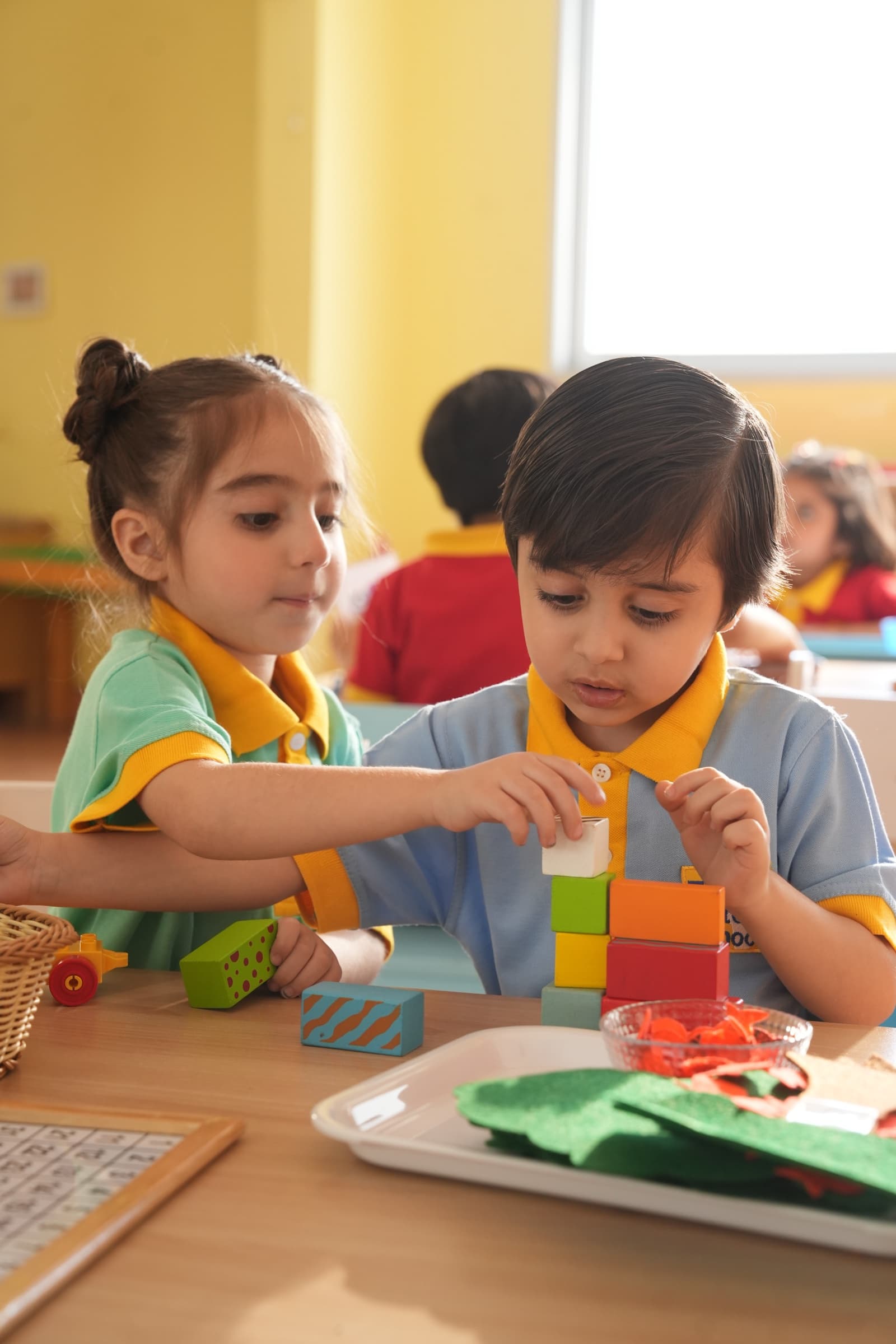
Whether building with blocks, pretending to run a café, painting, gardening, or investigating natural materials, children are constantly developing language, problem-solving abilities, creativity, collaboration, and self-confidence.
The American Academy of Pediatrics describes play as essential for healthy brain development, recognising it as a powerful tool for building both academic and life skills.
In high-quality early years settings, play is never “time away from learning.” It is learning.
It Builds Strong Relationships
Children learn best when they feel safe, respected, and emotionally secure.
Positive relationships with educators create an environment where children feel confident to ask questions, express ideas, make mistakes, and explore independently.
Equally important is the partnership between school and home. When educators and families work together, children experience greater consistency, confidence, and support throughout their learning journey.
Great education is built on strong relationships as much as strong teaching.
It Encourages Curiosity, Not Just Correct Answers
The most successful learners are often those who continue asking questions.
Great early years education encourages children to investigate, wonder, experiment, and think independently rather than simply searching for the “right” answer.
This curiosity becomes the foundation for creativity, innovation, and lifelong learning — qualities increasingly recognised as essential for the future.
The Aster Perspective
At Aster, we believe early childhood should be a time of wonder, discovery, and joyful learning.
Inspired by Montessori principles and the Reggio Emilia approach, our learning environments encourage children to explore through hands-on experiences, inquiry, creativity, and meaningful relationships. We see educators as thoughtful guides who nurture each child’s unique potential, while creating opportunities for independence, collaboration, and deep engagement with the world around them.
Our goal is not simply to prepare children for their next year of school, but to help them develop the curiosity, confidence, and character that will support them throughout life.
Conclusion
Great early years education cannot be measured only by what children know.
It is reflected in how they think, how they solve problems, how they relate to others, and how excited they are to learn something new.
When children are given the freedom to explore, the confidence to make mistakes, and the encouragement to discover the world around them, they develop foundations that extend far beyond the classroom.
Because the most important thing early education can build isn’t just school readiness. It’s a lifelong love of learning.
References
- Center on the Developing Child, Harvard University. The Science of Early Childhood Development.
- UNESCO. Right to Pre-Primary Education: A Global Study.
- National Association for the Education of Young Children (NAEYC). Developmentally Appropriate Practice.
- American Academy of Pediatrics. The Power of Play: A Pediatric Role in Enhancing Development in Young Children.
- OECD. Starting Strong: Early Childhood Education and Care.